

Low Temp Chiller
Why Choose Us?
Best After-Sales Service
We have a large number of professional after-sales service teams. Should you have any inquiries after receiving your shipment, feel free to reach out to us anytime.
Real Factory
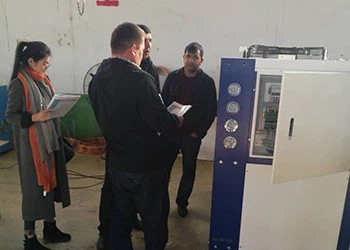
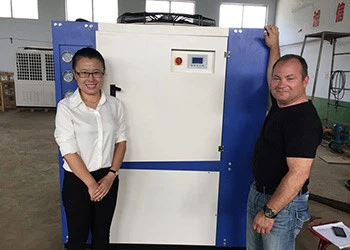
Our company has more than 5,000 square meters of production plants and more than 200 employees engaged in product production, research and development and after-sales service
Rich Experience
We have 17 years of manufacturing experience and have provided professional solutions to many customers.
OEM & ODM Capabilities
We offer customized services, tailoring products to your specific requirements.
What is Low Temp Chiller?
A low temperature chiller is a type of process chiller that is designed to operate at extra low temperatures. Low temperature chillers are used in a variety of industrial and commercial applications, such as food processing, pharmaceutical manufacturing, and chemical production. Low temperature chiller is the temperature range of temperatures falling below what is considered a low freezing point and above the temperatures associated with cryogenics. The chiller low evaporator refrigerant temperature of this classification is from -58° F to -148° F (-50° C to -100° C). This ultra low temp chiller temperature range encompasses applications for food products, pharmaceuticals, and chemical processes.

Energy Efficiency
Energy costs are a significant concern for industrial facilities. Low-temperature chillers are designed with energy efficiency in mind. They are equipped with advanced compressors, heat exchangers, and controls that optimize cooling performance while minimizing energy consumption. By using a low-temperature chiller, you can reduce operational costs and your environmental footprint.
Environmental Benefits
In today's environmentally conscious world, using eco-friendly cooling solutions is essential. Low-temperature chillers often use environmentally friendly refrigerants that have lower global warming potential (GWP). This not only complies with environmental regulations but also demonstrates your commitment to sustainability.
Versatility and Adaptability
Low-temperature chillers are highly versatile and adaptable to various industrial applications. They can handle a wide range of cooling tasks, from freezing to sub-zero temperature control. Whether you need to chill liquids, gases, or solid materials, a low-temperature chiller can be tailored to suit your specific requirements.
Extended Equipment Lifespan
Effective cooling is essential for preserving the lifespan of your industrial equipment. Overheating can lead to premature wear and tear, resulting in costly repairs or replacements. Low-temperature chillers help maintain optimal operating temperatures, ensuring that your machinery lasts longer and performs at its best.
Reduced Downtime
Downtime in industrial processes can be incredibly costly. With a low-temperature chiller in place, you can minimize the risk of unplanned downtime due to temperature-related issues. This increased reliability translates into improved productivity and reduced production losses.
Types of Low Temp Chiller
Air-Cooled Low-Temperature Chillers
What makes air-cooled chillers different is that they are a complete, packaged cooling system. You can connect one of these units directly to your process and start cooling. Because of this ease of use, they are the most commonly used chiller system. These energy-efficient cooling systems help many industries, from food processing to the plastics industry. These systems are excellent at maintaining the temperature of heat-sensitive products. One limitation of air-cooled chillers is that we do not recommend using these units when you require below -30°F leaving fluid temperature. Our rental-ready units are a great option for some people.
Water-Cooled Low-Temperature Chillers
Unlike air-cooled chillers that are 'stand-alone,' water-cooled chillers are not. These units require an external cooling tower to cool their onboard condenser (To learn more about how the refrigeration cycle works, check out this video.) This chiller is space-efficient and energy-efficient and it operates quietly. It does require a constant source of water from a water tower, which can cause problems in water-restricted areas or locations where there is a lot of debris in the air stream. While some industries cannot use this type of chiller, it is a fantastic option for controlling temperatures and keeping equipment cool. If you have a need for reliable low-temperature cooling for your industrial application, we have the equipment you need. Our screw & scroll chillers are currently used around the world to guarantee a vast range of processes for many leading companies.
Application of Low Temp Chiller
Medical Processing
Certain medical fabrication processes and storage require reliable cooling to guarantee safety and effectiveness. When cooling failure isn’t an option, you need a low-temperature scroll chiller you can count on for:
● Transforming various medical ingredients and compounds
● Manufacturing highly sensitive medicines
● Storage of medicines and human tissues for surgery
● Testing of new drugs and procedures in extreme cold conditions
Food Processing
To guarantee the safety and consistent quality of frozen foods, food processing companies need low-temperature cooling day in and day out. Custom food processing cooling systems are the answer to your problems. Our low-temperature screw chillers have been put to the test in a range of food-related applications, including:
● Fast freezing of prepared food and meals
● Storage of food ingredients before use
● As part of disinfecting and antibacterial cleaning
Product and Material Testing
Many types of clothing, materials and equipment need to be tested in -40°F temperatures. Our low-temperature industrial chillers can be used for a wide range of testing applications, such as:
● Automotive and transport equipment verification
● Fabric and cloth cold temperature resistance and protection
● Plastic, rubber and metal strength at freezing temperatures
● Cold temperature performance of coolants, oils and fluids
● Certain metal anodizing applications
Petrochemical Cooling
Petrochemical manufacturing involves machinery that refines petroleum and produces chemical compounds. Many of the processes require temperature control. Our low-temperature cooling systems are useful to such facilities in several ways, such as:
● Maintaining cold temperatures for chemical processes
● Chilling equipment after operation to reduce the chance of overheating
● Keeping chemical compounds safe and preventing a reaction from fluctuating temperatures
Ice Rink
The slightest temperature change can completely alter an ice rink. A temperature drop or rise will alter the ice’s state, making the surface unsuitable for skating. Rinks should maintain a temperature of around 24 degrees Fahrenheit. And what makes these units even more specialized is that they need to maintain a very tight temperature difference. This requirement is unique to Ice Rink applications.
Key Features and Design Considerations of Low Temperature Chillers
Robust Construction
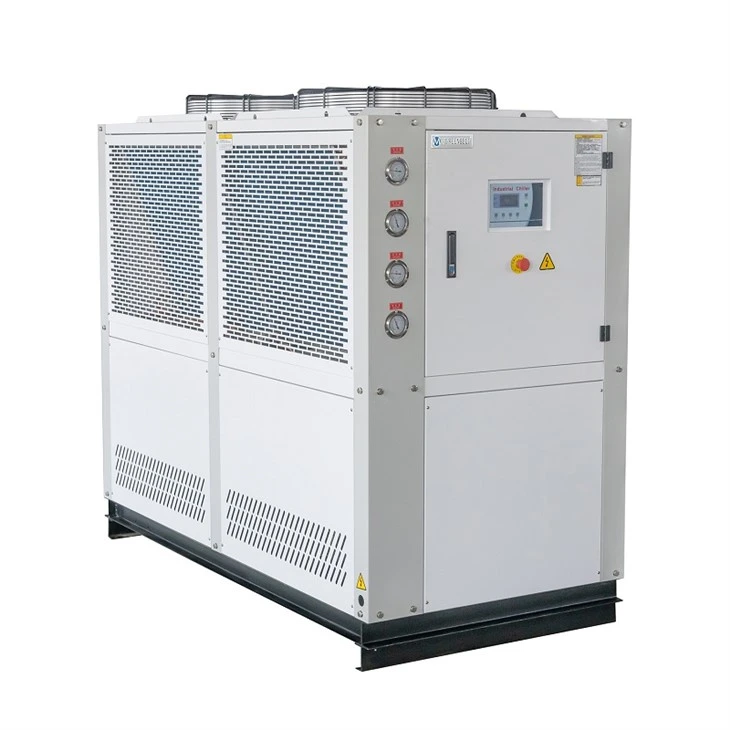
Explosion-proof, low-temperature chillers are beneficial because they are built with durable materials and components that can withstand harsh conditions and potential impacts. They often feature explosion-proof enclosures, reinforced frames, and corrosion-resistant coatings.
Hazardous Area Classification
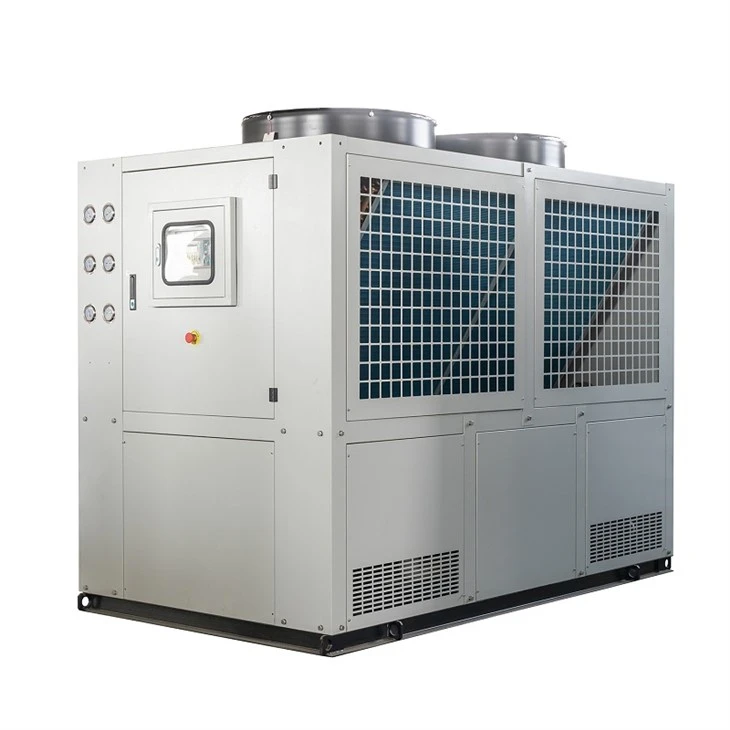
These low-temperature chillers are designed to meet specific hazardous area classifications, such as Class I (flammable gases and vapors), Class II (combustible dust), or Class III (ignitable fibers). They adhere to stringent safety standards and regulations to ensure compliance.
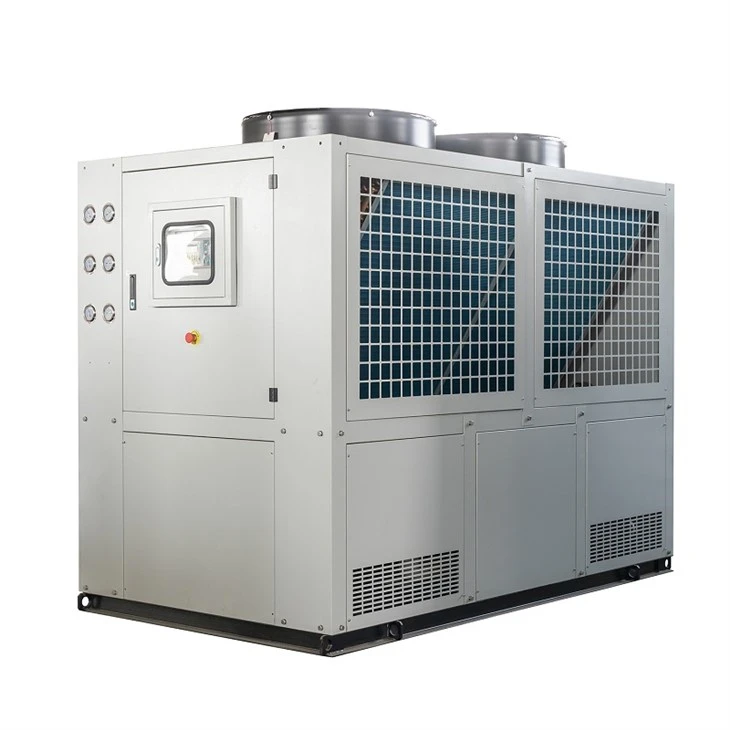
Explosion-Proof Electrical Components
All electrical components used in explosion-proof chillers are carefully selected and designed to prevent sparks or arcs that could ignite flammable substances. This includes explosion-proof motors, switches, connectors, and wiring.
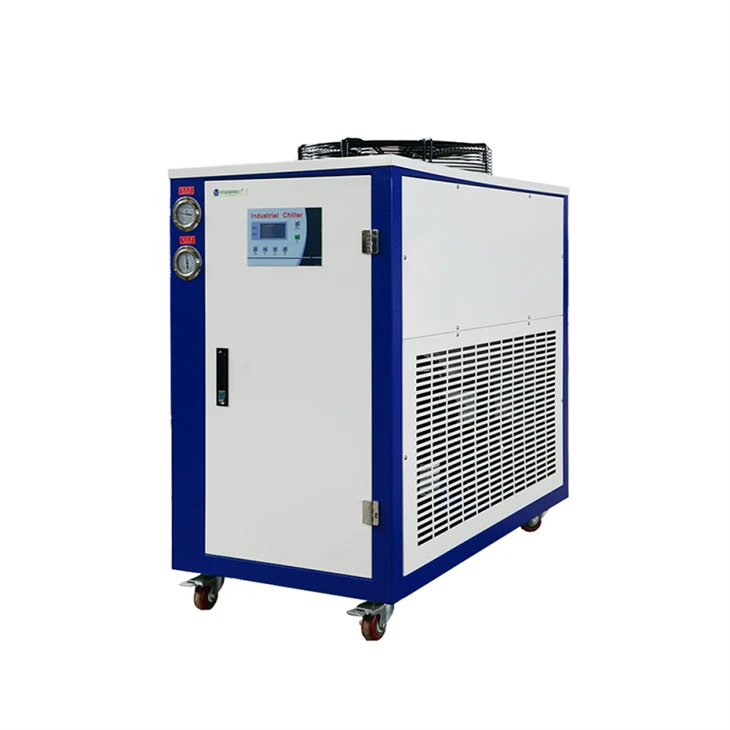
Enhanced Safety Measures
Another benefit of low-temperature chillers that are explosion-proof is they incorporate safety features like pressure relief valves, temperature sensors, and flame arrestors to prevent overpressure, overheating, and the propagation of flames.
Signs of a Reputable Low Temp Chiller Company
There are different types of low-temperature chillers for various applications. Before you commit to a brand or company, check their product selection first. Do they offer the specific type of chiller you're looking for?
Who are the people behind this company? Do they know what they're talking about? Do they know what a low temp means? At Smart Family of Cooling Products, we have a team of experts who build and engineer our products. Before our chillers get listed on our website, they undergo quality control to ensure functionality. Backed by industry knowledge and experience, we manufacture high-quality standard and custom chillers.
Working with low-temp refrigeration sometimes exposes you to hazards like flammable chemicals. A trustworthy chiller company will take these factors into consideration when building their equipment. Smart Family of Cooling Products has an extensive selection of explosion-proof chillers. Built to protect the chiller's components from dangerous conditions and you from exposure, our products come with sealed wiring and adhere to industry requirements.
While you may already have a specific type of chiller in mind, it's still best to get expert advice on what's most suitable for your needs. Smart Family of Cooling Products offers professional consultations to all customers. Our experts guide you in making a decision before finalizing the sale. During your consultation, it helps to let us know about the intended application of your low-temperature chiller.
At Smart Family of Cooling Products, the safety of the equipment operators and the facility is paramount. We design our low-temperature chillers according to industry requirements. Our products comply with the electrical requirements of the National Fire Protection Agency's National Electric Code. We also adhere to the compliance standards set by the National Electrical Manufacturers Association. You can count on us to deliver reliable and high-performing chillers tailored to your needs.
First of all, why does the low temperature chiller circulator frost? To find out why there is no frost in the low temperature chiller circulator, it’s better to see why the the low temperature chiller circulator frosts first. Frost is a white crystalline substance of water vapor. When water vapor suddenly encounters a very low temperature object, it will condense frost on its surface.
When the air in the the low temperature chiller circulator meets the inner wall of the the low temperature chiller circulator with lower temperature, it will form frost on its surface. This is the basic reason for the frost in the the low temperature chiller circulator. The frosting of the the low temperature chiller circulator will affect the efficiency of heat exchange, resulting in the decrease of refrigeration capacity, which requires manual removal by users.
Knowing why the cold water cooler circulator frosts, then why not the wind-cooled frost? Is it the opposite? The principle of air-cooled ultra-low temperature chiller circulator is to use air to refrigerate. High temperature air flows through the built-in evaporator. Because of the high air temperature and the low evaporator temperature, the air temperature will be reduced by the direct heat exchange between the two.
At the same time, the cold air is blown into the ultra-low temperature water cooler circulator. The air-cooled ultra-low temperature water cooler circulator reduces the temperature of the ultra-low temperature water cooler circulator through this continuous circulation mode. However, there is always water vapor in the air. When water vapor is cooled, it will condense. So as long as there is heat exchange in the cryogenic water cooler circulator, frost will form. So where did the frost go?
In fact, the air-cooled ultra-low temperature water cooler circulator is not frost-free, but frost condensed on the evaporator. Because it is inside the cryogenic water cooler circulator, we can’t see it directly when we open the door of the cryogenic water cooler circulator, so it is called frost-free.
What Should You Know Before Buying a Low Temperature Chiller?
Application of cooling
The initial stage is to ensure that you completely grasp what process or products need to be chilled. Many of the specifications you would search for in a low-temperature chiller will be determined by this.
Internal elements
Knowing the basic inside components of a low-temperature chiller is going to assist you anticipate as well as avoiding future problems. As an example: How loud is the compressor going to be? Is the fluid reservoir constructed of a non-corrosive material? Are the interior parts suitable for the heat exchange fluid I require? Having a basic understanding of how a chiller works can help you choose the correct low-temperature chiller.
Dimensions and footprint of a chiller
Industrial low-temperature chillers are made in a variety of sizes and designs. Examine your layout and the areas where a chiller is required to function. Look beyond size and fit to ensure that your chiller's vents are unobstructed so that it can run effectively and efficiently.
Type of heat transfer liquid(s)
To achieve low temperatures, a wide range of heat transfer liquids can be used. Some chillers feature numerous cooling stages that each employ an entirely distinct fluid or oil. Investigate which fluids can assist your chiller in reaching your specified temperature ranges.
Temperature and cooling capacity
Consider how low you are required to go. Make sure you have a good notion of the degree of cold you want your cooler to be. It is usually a good idea to choose a chiller or cooling system with a somewhat broader temperature range than you believe you will require.
Power consumption
Knowing precisely how much power your chiller will need is incredibly useful for both safety and financial reasons. This will aid you to prevent overloading the circuit into which you plug it.
The pull-down time
How fast do you want your chiller to go from room temperature to the temperature you want? Certain items are more forgiving compared with others when it comes to chilling, while others require extreme cold and rapid cooling. Understand your chilling timeline will enable you to be certain that the chiller you choose will get chilly as rapidly as you require.
Parts Analysis of Low Temp Chiller
Generally speaking, the low temperature chiller is a relatively economical equipment. Generally, refrigerant circulating system, electrical control system and water circulating system complement each other. It is composed of condenser, compressor, thermal expansion valve, evaporator, liquid storage, drying filter, refrigerant and so on.
In the use of the low temperature chiller, the condenser can play a role of heat output. Once the high-pressure gas discharged from compressor operation enters the condenser, it can absorb its heat, and can also transfer other heat in the pipeline to the surrounding media.
Compressor is very important in the low temperature chiller, which belongs to the core part. It can convert electrical energy into mechanical energy. Compression refrigerant is closely related to the operation of other parts.
In the low temperature chiller, the thermal expansion valve regulates the flow rate and is also a throttle valve in refrigeration equipment. It can make the liquid refrigerant of high pressure and normal temperature reduce pressure through the throttle of the thermal expansion valve, and turn into low temperature and low pressure steam to enter the evaporator to gasify and absorb heat, so as to achieve the purpose of cooling.
Of course, the evaporator is also a heat exchanger which uses refrigerant evaporation to achieve the absorption of heat by the low temperature chiller. In addition, in a relatively small low temperature chiller, drying filters are also necessary to prevent some other substances from entering the refrigeration system!
Introduction To The Preparation Of Low Temp Chiller Operation
Before running the low temperature chiller, we need to check the refrigerant, water and electrical equipment, and check the oil separator liquid level, the correct oil position should be in the oil mirror center line between the line.
Be careful to check that all the pressure gauges for the low temperature chiller are open, and whether the oil thermometer has been inserted with the lubricating oil, and check or open all the valves on the oil road that they should be completely open.
Push the start button, the low temperature chiller starts, and then wait to see whether the oil pump is turning correctly, the oil pressure difference is not low than the surface pressure of 0.05-0.3Mpa, and the pressure difference of the oil filter does not exceed 0.1Mpa. Turn the coupling and operate the energy control valve at the same time, so that the unloading indication goes from 0%–100%, then 100%–0%, then manually stop the oil pump.
Try low temperature chiller with hand disc compressor coupling, no card resistance phenomenon shows the normal state. Open the exhaust valve on the compressor, water supply to the oil cooler, and water temperature depends on the oil temperature (the nozzle oil temperature is better to be 40 –55 c). At the same time, water supply to the condenser and evaporator , finally cover the main motor power supply, and the power lamp is on, then the low temperature chiller can be used normally.
With these detailed preparations, it is certain that the low temperature chiller can be better used to achieve the lowest cost and maximum operational efficiency.
Refrigeration Principle Of Low Temp Chiller
The refrigeration principle of the so-called low temperature chiller is to use the artificial method, compressor refrigeration, through energy consumption, in a cycle process, in the process that cooling materials take away the heat. Generally speaking, the compressor is use to refrigerate. With the refrigerant, the low boiling point material is used as the medium. The refrigerant is compressed in the compressor, the saturation temperature is higher than the ambient temperature, then it passed through the condenser and is condensed into liquid, liquefied through the throttle valve, and then the heat is absorbed by the cold medium to become the low pressure steam, finally it returns to the compressor cycle. In addition to compressor refrigeration, there is ammonia refrigeration. However, the overall cost of compressor refrigeration is lower than that of ammonia refrigeration. So now, we tend to choose compressor refrigeration. After understanding the principle of refrigeration, the selection of a series of equipment parameters such as water flow, outlet temperature and cooling capacity of low temperature chiller should be fully understood in order to make a better selection. The refrigerants of low temperature chillers can be environmental refrigerants as far as possible, for the sake of more energy saving and environmental protection and in line with the demand of the public.
Our Factory
Jinan Mgreenbelt Machinery Co., Ltd. are core enterprises of MGREENBELT compressed air system products and services chain. We specialize in producing High Pressure Oil Free Compressor, Oil Free Air Compressor, Medium Pressure Screw Air Compressor, Screw Type Air Compressor, PET High Pressure Air Compressor, and other Air Compressor.