




Glycol Chillers
What Is Glycol Chillers?
A glycol chiller is a type of cooling system that uses a glycol-based coolant. Glycol is a non-toxic, food-grade antifreeze that can be used in both closed and open loop cooling systems. In a closed loop system, the glycol coolant is circulated through a series of coils or plates to absorb heat from the process water or air. The cooled glycol then flows back to the chiller to be re-cooled. In an open loop system, the glycol coolant is circulated through the process water or air and then discharged into a drain.
Glycol chillers are typically used in industrial applications where large volumes of coolant are required, such as in food processing plants or chemical manufacturing facilities. Glycol chillers are also used in HVAC systems to provide cooling for buildings or large spaces.
Advantages of Glycol Chillers
Precise temperature control
One of the most significant benefits of glycol chillers is their ability to maintain consistent and accurate cooling temperatures. The mixture of glycol and water allows the chiller to achieve a temperature well below the freezing point of water, providing greater flexibility and control for various processes.
Efficient cooling
Glycol chiller systems are designed for efficient heat transfer. The properties of glycol, combined with modern chiller technology, ensure effective heat removal from equipment or processes. This translates to better overall system performance and energy savings.
Durability and reliability
Glycol chillers are built to withstand demanding industrial environments. They are constructed with robust materials and designed for continuous operation, minimizing downtime and maintenance needs. Additionally, their antifreeze properties protect the system from freezing damage.

Why Choose Us
Best after-sales service
We have a large number of professional after-sales service teams. Should you have any inquiries after receiving your shipment, feel free to reach out to us anytime.
Rich experience
We have 17 years of manufacturing experience and have provided professional solutions to many customers.
Oem & odm capabilities
We offer customized services, tailoring products to your specific requirements.
Real factory
Our company has more than 5,000 square meters of production plants and more than 200 employees engaged in product production, research and development and after-sales service
Types of Glycol Chillers
Portable glycol industrial chillers
Portable glycol chillers are small, compact, and self contained, with all of their components included in the unit. They have a capacity of 1 to 40 tons of cooling and are ideal for small loads or where special fluids, flows, pressure, or temperature are necessary. Due to the compact size of portable glycol industrial chillers, they can be used for test applications or positioned for temporary use.
Modular glycol industrial chillers
A modular glycol industrial chiller system consists of multiple chillers connected to create a comprehensive cooling solution. This setup is highly adaptable, allowing for the addition of more chillers as demand grows. The system is designed to ensure uninterrupted cooling, even during maintenance periods.
Application of Glycol Chillers
With increasing environmental safety restrictions, grocery stores need chilling units that meet eco-requirements while providing long-lasting and durable solutions. Propylene glycol industrial chillers, which are food grade, are ideal for frozen food chiller cases. They are specifically engineered to efficiently remove heat while being robust enough to withstand constant use.
Maintaining the freshness of fruits and vegetables is crucial in the produce packing industry. Failures, downtimes, and maintenance delays can ruin a shipment of products. Like grocery stores, cooling units must comply with food grade requirements while being robust enough for continuous use. Propylene glycol industrial chillers are engineered to meet the stringent demands of the produce shipping industry, making them an ideal choice for ensuring reliable and effective cooling.
One of the areas where glycol industrial chillers are used the most is the brewing industry, which requires precisely controlled temperatures and conditions. The maintenance of temperature has to be consistent since any fluctuations can have extremely negative effects on the quality of the final product. It is for these reasons that propylene glycol industrial chillers help to precisely regulate and maintain container temperatures.
Engineering an outdoor ice rink in a warm climate presents unique challenges. However, glycol chillers, which can cool below the freezing point of water, make it feasible. In such installations, glycol is pumped through mats placed beneath the ice rink surface. Water sprayed over these mats then freezes upon contact, allowing the rink to maintain ice even in warmer temperatures.
Similar to breweries, the quality of dairy products heavily depends on an effective cooling system, as inadequate or unsuitable systems can lead to bacterial growth. Consistent temperature control throughout the dairy manufacturing process is essential. Milk is pumped directly from cows into cooling units, which store it until further processing.

How to Maintain Glycol Chillers
Glycol chillers are key components in long-draw draft systems. Conducting regular maintenance on your glycol chiller is imperative to ensure the longevity of your investment and to ensure the continued running of your draft system. What maintenance should you conduct on glycol chillers and how often should you do said maintenance? These maintenance items are not just focused on the glycol chill but also the other elements of your long-draw system.
Glycol bath
It sounds simple, but ensure that the lid is always on your glycol bath to prevent the glycol-water mixture from being diluted by water vapor.
Glycol bath temperature
Check the temperature of your glycol bath every two weeks. Check it against the manufacturer's guideline to make sure that it's within the range suggested by them. Most chillers have a handy temperature gauge on the outside, so there's no need to open the bath!
Glycol mixture
Every six months check the viscosity and condition of your glycol-water mixture. Every eighteen months, using a refractometer, test the mixture's freezing point. Adjust or replace the mixture as necessary. Usually the range is 20-25% glycol however every manufacturer is different so check their recommendations before making any changes.
Pumps
Every month ensure that your pumps are running and sounding smooth. Check for missing insulation and leaks in all the connections too.
Condenser
Inspect this element of your glycol system monthly. Look for dirt and obstructions to the airflow. Clean as required. Remove the grills to expose the condenser fins. Clean the grills and the fin's surfaces by using a vacuum, stiff bristled brush or compressor gas, conveniently discharged from the fan side of the condenser.
Trunk lines
Check your trunk lines every six months. Check for signs of ice buildup, physical damage to the insulation, or glycol leakage.
Motors
Check the motors on your glycol chiller monthly. Makes sure they sound like they're operating smoothly and check for signs of overheating.
How to Choose a Glycol Chillers
Cooling load
Determine the heat load of your specific application or process. Calculate the amount of heat that needs to be removed within a given time frame. Factors such as equipment size, heat generation rate, and required temperature range are crucial in determining the cooling load.
Ambient conditions
Consider the ambient temperature and humidity of the environment where the chiller will be installed. High ambient temperatures and humidity levels can affect the cooling capacity required.
Expansion plans
Anticipate any future expansion or increased cooling demands. It is advisable to choose a glycol chiller with a capacity that allows for potential growth in your system or project.
Efficiency and energy consumption
Evaluate the chiller's efficiency, as indicated by its coefficient of performance (cop) and energy consumption. A more efficient chiller can provide cost savings and environmental benefits.
How the Glycol Chillers Works
Pumping
The first step is installing a glycol chiller — a refrigeration system that cools a tub of glycol — in a closed loop water system. The glycol moves through a closed piping or tubing circuit that connects to the chiller. This process helps reduce the glycol temperature of whatever is hooked up to the system.
Heat exchange
Heat exchangers must be attached to the closed loop system's input and output to achieve efficient cooling. Different cooling systems use different types of heat exchangers, such as:
Stainless steel plates
Jackets on a tank
Stainless steel cooling snakes
The heat exchangers should connect to the main cooling line that circulates the water and glycol mixture.
Circulation
The glycol cools the vessels as it circulates through the heat exchanger, successfully cooling the vessel. A closed loop's cooling system can vary depending on its configuration and your operations. A knowledgeable water treatment provider can work with you to install a safe, efficient glycol cooling system in your facility.
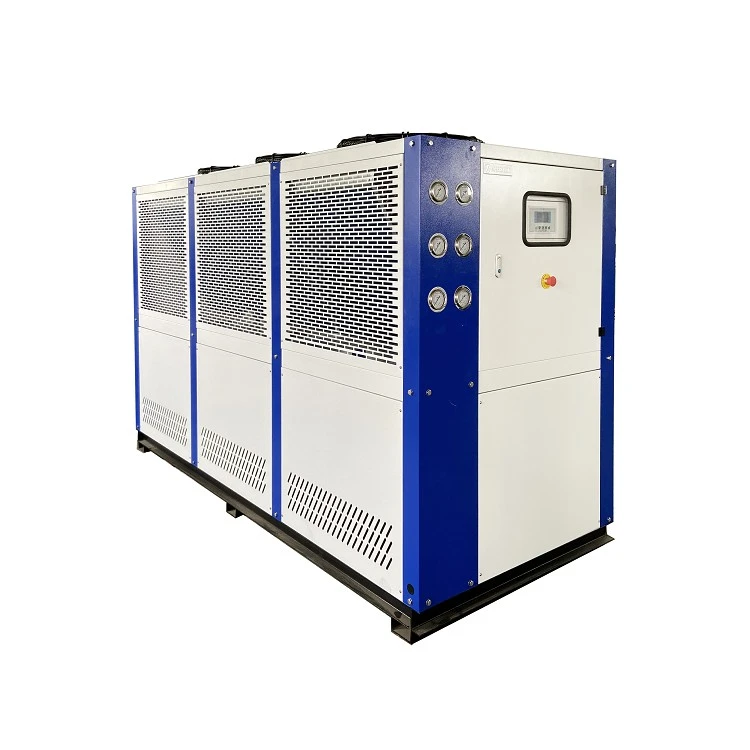
What to Expect When You Purchase a Glycol Chillers
Application
Equipment use is one of the first variables to reflect on when buying a chiller. Various applications require different chillers, and understanding which kind you need is an excellent start to the buying process.
Size
For many unit applications, size and efficiency go hand in hand. An oversized chiller can consume more energy than necessary, cutting into your profit margins. Meanwhile, an undersized chiller may struggle to keep up with your facility's needs. A compact chiller that removes the heat released from your equipment allows you to cool it effectively while saving energy and money. To determine the correct chiller size for your facility, you must figure out your equipment's heat load, temperature, flow rate and coolant type required.
While many industrial chiller manufacturers offer mass-produced cooling products, it's best to partner with one that offers customization. An experienced chiller manufacturer can provide cooling options that meet your industry specifications. When you order a custom-sized chiller, you can rely on it to support your unique needs.
Location
The ideal chiller for your company also relies on your equipment location. Outdoor applications are prone to fluctuating ambient temperatures, while the air surrounding indoor applications may reach excessively high temperatures. Because of these natural temperature differences, indoor or outdoor equipment may require particular sizing or specific accessories such as sump heaters, heat tracing, insulated components, or special controls for components.
Safety
Installing a safe chiller is crucial for your equipment, employees and facility. If you operate in hazardous conditions or process flammable chemicals, an explosion-proof chiller is essential to preventing potential explosions. Only consult with an experienced manufacturer that designs and builds systems to meet national fire protection association standards.
Temperature control needs
Choosing a high-quality chiller is vital for work requiring precise temperature control. Reliable, custom-designed chiller systems offer this feature to prevent damage and ensure your equipment operates efficiently.
You may require a low-temperature chiller if your leaving temperature must remain below 35 degrees fahrenheit. Choosing the correct chiller ensures your business operations continue smoothly without failure. Reputable manufacturers have the knowledge and technology to design and build quality low-temperature chiller systems, providing you with the necessary temperature control.
Cooling fluid
Your cooling fluid can affect your chiller system, so don't neglect this factor. Common cooling fluids are propylene glycol mix, dynalene heat transfer fluids, water and specialized fluids. Your municipal water supply can contain contaminants that corrode chiller components.
While it's always best to use a glycol-water mix, your cooling system may require additional filtration if you pull from a city water source. It's also a good idea to consult with your manufacturer to determine if your operating temperatures can affect fluid viscosity.
Voltage
Some chillers may have voltages requiring specific electrical work. Determine what voltage your facility can support and how much electrical work your budget allows to decide which type of chiller you purchase. You should also talk to your manufacturer about which voltage options can support more efficient operation.
Cost
Cost is also a critical factor. Before purchasing a chiller, consider its upfront cost, operating costs, potential maintenance costs and expected life span. Air-cooled systems typically have a higher upfront cost and more installation work than water-cooled systems. Air-cooled systems also consume a significant amount of energy to power fans, but they can reduce operating costs because they lack the cooling tower that a water-cooled system requires.
Don't mix glycols
Don't mix different types or brands of glycols. This can cause some inhibitors to precipitate out of solution. Mixing glycols can also solidify and clog filters, which can affect proper flow rates. If you are changing glycol types, you will need to thoroughly flush and clean the fluid system. Once that is done, you can then change.
Don't use automotive grade antifreeze
Don't use automotive grade antifreeze in your chiller process. These types of glycols are not designed for industrial applications and can cause heat transfer or fluid flow issues. Many automotive glycols contain silicate-based inhibitors that can coat heat exchangers, corrode pump seals, or form a gel that restricts flow.
Check local environmental regulations
When selecting a process fluid, check state and local regulations. Some areas may have environmental regulations regarding the use and disposal of glycol or other additives.
Ethylene glycols for most standard industrial applications
Ethylene glycol is a standard heat transfer fluid for most industrial applications. This type of glycol can be used in any application where low toxicity levels are not required. Ethylene glycol has moderate acute oral toxicity and should not be used in processes where the fluid may come in contact with drinking water, food, or beverage products.
Propylene glycol for user contact applications
Propylene glycol generally maintains the same level of freeze protection and corrosion/algae protection as ethylene glycol - but with lower toxicity. This type of glycol is easier to handle and safer to handle than ethylene. Propylene glycol is often used in the food industry and in applications where users may frequently come into contact with the fluid.
Differences between ethylene glycol and propylene glycol
At very low temperatures, propylene glycol becomes more viscous, which slightly changes the heat exchange rate. Some chillers are designed for this compensation so that either glycol type can be used. Ethylene is widely known for its lower purchase price, making it more economically viable for plants that purchase in large volumes.
Use distilled or reverse osmosis water
The water selected for mixing with ethylene glycol should be carefully considered and planned. The water should come from a high-quality filtered water source that meets the requirements of the manufacturer of the processing machinery. It is recommended to use distilled or reverse osmosis water for the glycol/water mixture.
Be careful with deionized and tap water
Deionized water may be used initially to fill the chiller process, but should not be kept in a deionized state thereafter. Unless the chiller has been ordered and designed to use continuously deionized water, the fluid will actually attack certain metals within the chiller and damage certain components. Before using deionized water, check with the chiller factory for compatibility.
Application drive water/glycol mix percentages
When selecting the proper glycol and water mix for a chiller process, the location and environmental issues of the chiller must be considered. A process that is completely indoors with no possibility of freezing will require less glycol than a system located outdoors, where low outdoor temperatures could cause fluid freezing and burst pipes. Applications with very low operating temperatures (less than 20áµ' f) should use a glycol mix comparable to that of an outdoor system. Once the proper glycol and water types have been selected, use the table below to determine the recommended mix based on the application and location of the process.
Fluid maintenance and filtration
Maintaining clean process water and proper glycol content will extend the life of the system and reduce costly downtime. If the chiller is not shipped from the factory with a fluid filter, it is highly recommended that some sort of filtration system be installed to remove unwanted dirt and debris.
Company Introduction

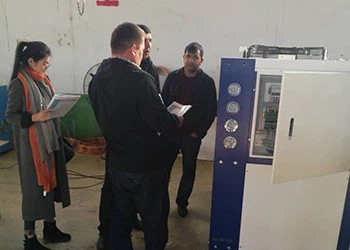
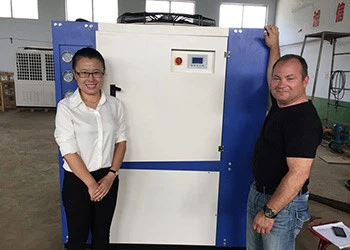

Jinan ZS Times Technology Co.,Ltd. and Jinan Mgreenbelt Machinery Co., Ltd. are core enterprises of MGREENBELT compressed air system products and services chain. Specializing in technical research, sales, maintenance, and after-sales service of Industrial Refrigeration and Air Compressor Systems.
We provide MGREENBELT Industrial Chillers, Cold Storage Rooms, Cold Storage Panels, and are also a professional supplier of Air Compressor accessories Provide AE, MGREENBELT brand imported Air Compressor accessories and consumables series products.