

Air Compressor
You Professional Air Compressor Manufacturers
Jinan Mgreenbelt Machinery Co., Ltd. are core enterprises of MGREENBELT compressed air system products and services chain. We specialize in producing High Pressure Oil Free Compressor, Oil Free Air Compressor, Medium Pressure Screw Air Compressor, Screw Type Air Compressor, PET High Pressure Air Compressor, and other Air Compressor.
Why Choose Us
Our Factory
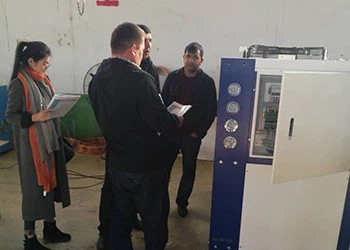
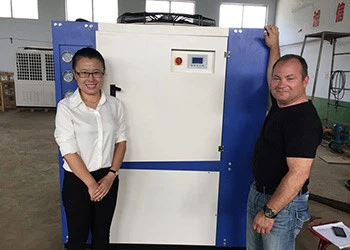
Our company has more than 5,000 square meters of production plants and more than 200 employees engaged in product production, research and development and after-sales service.
Advanced Equipment
You can choose Megbet with confidence Provide reliable and technologically advanced screw air compressors, complete sets of post-treatment equipment (air compressors, dryers, filters, air storage tanks), as well as matching consumables and spare parts.
OEM & ODM Capabilities
We offer customized services, tailoring products to your specific requirements. capacity to ensure in time delivery and transport to the destination in the first time.


Types of Air Compressor
Screw Type Air Compressor
Rotary screw air compressors are a newer, more advanced type of air compressor. would suggest, a rotary screw compressor uses rotary movements to compress the air – this type of air compressor continues to grow in popularity and is now one of the most widely used compressed air technologies.
Oil Free Air Compressor
An oil-free air compressor is a type of compressor that is designed to operate without using lubricating oil in the compression chamber. This design ensures that the compressed air remains free of oil contamination, making it particularly suitable for applications where clean air is essential.
Industrial Air Compressor Machine
Automatically adjust the motor speed to match the supply and demand of compressed air, accurately control pressure, avoid unnecessary fluctuations, save energy consumption, and reduce usage costs.
Applicationsair of Air Compressor
Inflation and air pressure
An air compressor is a handy tool for inflating tyres or sports equipment. An air compressor can quickly and accurately inflate to the desired pressure, ensuring optimal performance and playability.
Painting
A professional-quality paint finish requires a consistent and controlled application. To achieve this, paint guns powered by air compressors are widely used in the automotive, woodworking, and furniture industries for spray painting. This is largely because the uniform flow of compressed air results in flawless coatings, less overspray, and improved efficiency.
Cleaning
With the help of an air gun or nozzle attachment, compressed air can dislodge dust and debris from hard-to-reach areas, such as computer keyboards, electronics, workshop machinery, and ventilation systems. This method offers a quicker and more efficient alternative to manual cleaning, maintaining a clean and dust-free environment.
Manufacturing and packaging
Air compressors are used to power pneumatic equipment in factories, such as for product handling and packaging. Compressed air ensures precision and increased productivity and also contributes to quality control by powering testing equipment and sorting systems.
Pharmaceuticals
Air compressors are used to power equipment and testing devices in the pharmaceutical manufacturing process. They facilitate precise ingredient handling, which ensures accurate measurements and consistent formulations. They also drive mixers, guaranteeing uniform distribution of active ingredients.
Food production
Air compressors are essential in the food industry, powering pneumatic systems for ingredient handling, mixing, cleaning, packaging, and quality control. They also facilitate efficient product conveyance, precise blending, and reliable sealing of food packages. Furthermore, they contribute to temperature control in refrigeration systems, ensuring food freshness and preventing spoilage.
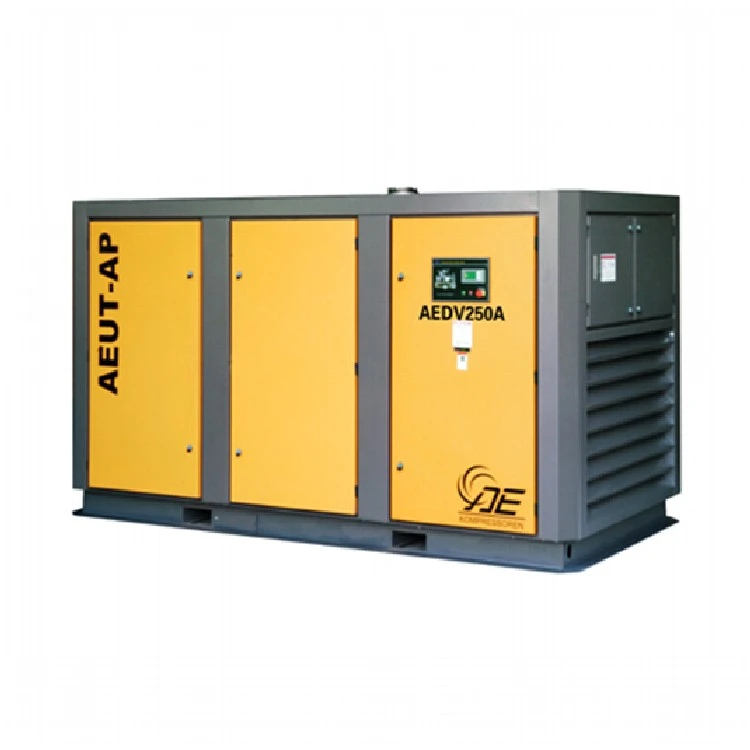
Grades Of Air Compressors
Air compressors are available in a variety of sizes and designs. Some have large horizontal tanks and others have small vertical tanks. They can also have single- or double-cylinder tanks and the design is sometimes portable, while other models must remain stationary.
Still, air compressors are grouped into three primary grades:
Construction-grade air compressors: Two-stage reciprocating and rotary screw air compressors are commonly used in construction. These air compressors are designed to manage enormous air pressure demands in construction environments.
Commercial-grade air compressors: These air compressors are found in industrial environments like manufacturing warehouses for plant operations. They can run for long periods and aren't affected by fluctuating use. Commercial-grade air compressors are built with high-quality parts to ensure maximum durability, performance, and energy efficiency.
Consumer-grade air compressors: Inflating car tires and inflatable products and completing DIY projects around the house are just a few things you can do with a consumer-grade air compressor. These compressors are small and portable.
Specifications of Air Compressor
The horsepower (HP) rating for a compressor indicates the power output of the engine or motor. Higher horsepower creates greater air pressure, measured in PSI. Higher PSI means the compressor can store more air in the tank, allowing you to operate air tools longer. Cubic feet per minute (CFM) and standard cubic feet per minute (SCFM) describe the volume of air a compressor delivers at specific PSI levels. The CFM value changes as PSI changes. As you lower the PSI output, CFM increases. A compressor with a higher CFM rating can deliver more air and is better suited for heavier applications, such as operating air wrenches and framing nail guns.
Compressor manufacturers rate storage tank size in gallons. Smaller tanks — around 4 to 6 gallons — are sufficient for many projects, such as airbrushing and operating brad nailers or nail guns. Larger tanks store more compressed air at higher pressures. They're suited for larger tasks that require sustained air flow, such as automotive work and remodeling projects.
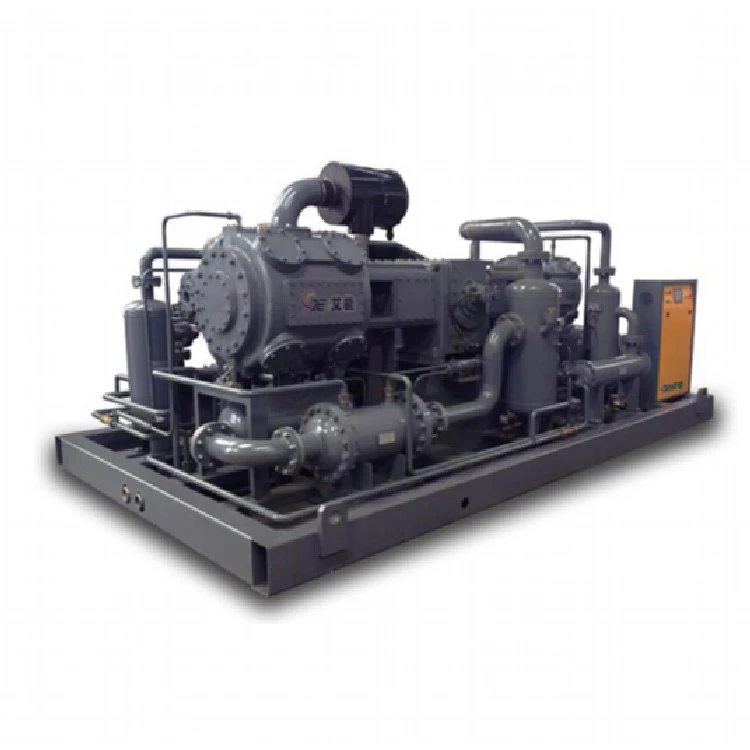
When possible, we recommend installing compressed air systems indoors, enclosed in their own clean, dry room near your end use. Keeping the compressor separate helps to control air quality, avoid overheating issues, minimize the chance of injury and reduce productivity losses from noise. Indoor systems are also not subject to the moisture and weather issues that outdoor systems face.
Ventilation
Indoor compressors need to be in a well-ventilated space. Air must be vented out of the building away from dangers like gasoline or propane fumes and paint spray filter outlets. The ventilation system should be able to turn over the CFM of the entire unit, including the compressor and dryer. This information can be found in the compressor and dryer engineering data sheets.
Clearance Around Equipment
All air compressor equipment should have a minimum of three feet of clearance on each side. This is important for free air cooling and heat exchange on a daily basis as well as maintenance in the future. Every air compressor is different, so ask your service professional how much access space will be needed above and around your particular model. They'll need to plan for regular maintenance and removal of the motor or airend later in the service cycle.
Electrical Access
Whether indoors or outdoors, your compressor will need access to electricity. Before plugging it in for the first time, ensure that your compressor voltage is compliant with the socket to avoid blown fuses or fires.
Compressed Air System Configuration
Every company's needs are unique, but when installing a compressor system, we generally recommend that systems include a wet receiver between the compressor and air dryer and a dry receiver after the dryer. The compressor should have a moisture separator. The dryer should have a pre-filter and an after filter. And the receivers should be sized based on the CFM of the compressors. Below is a typical example of an air compressor setup diagram.
Our Factory