

When it comes to industrial processes, maintaining optimal temperatures is crucial for efficiency, product quality, and equipment longevity. Industrial chillers play a vital role in achieving this, but with various types available, choosing the most energy - efficient option for specific scenarios can be a challenging task. As an industrial chiller supplier, I've witnessed firsthand the diverse needs of different industries and the impact of chiller selection on energy consumption. In this blog, we'll explore different types of industrial chillers and analyze which ones are more energy - efficient in certain scenarios.
Types of Industrial Chillers
Air - Cooled Chillers
Air - cooled chillers are a popular choice due to their simplicity and ease of installation. They work by using ambient air to cool the refrigerant in the condenser. These chillers do not require a separate cooling tower, which makes them a more straightforward option for smaller facilities or locations where water availability is limited. However, they are generally less energy - efficient than water - cooled chillers, especially in hot climates.
Water - Cooled Chillers
Water - cooled chillers, on the other hand, use water from a cooling tower to remove heat from the refrigerant in the condenser. They are known for their high efficiency, especially in large - scale industrial applications. The ability to reject heat more effectively to water allows water - cooled chillers to operate at lower condensing temperatures, which in turn reduces the energy consumption of the compressor.
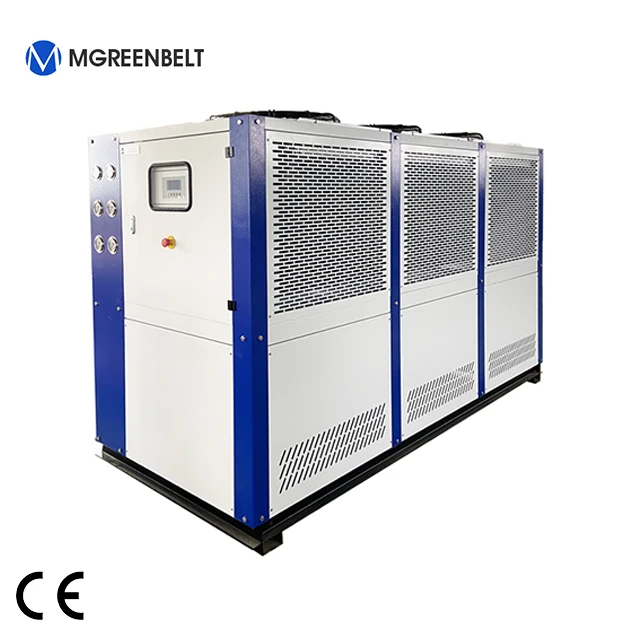

Absorption Chillers
Absorption chillers are a unique type that uses a heat source, such as steam, hot water, or natural gas, instead of mechanical compression to produce cooling. They are particularly suitable for facilities with a readily available waste - heat source. Absorption chillers can be very energy - efficient in these scenarios as they utilize otherwise wasted energy to generate cooling.
Energy Efficiency in Different Scenarios
Rubber Manufacturing
In the rubber manufacturing industry, precise temperature control is essential to ensure the quality of the final product. Chiller For Chiller Unit For Rubber Manufacturing is a specialized application where energy efficiency can significantly impact production costs.
Water - cooled chillers are often the preferred choice in rubber manufacturing. The high heat loads generated during the rubber processing require a chiller that can effectively remove heat. Water - cooled chillers can handle these large heat loads more efficiently than air - cooled chillers. The lower condensing temperatures achievable with water - cooled systems result in lower compressor power consumption, leading to significant energy savings over time. Additionally, the consistent cooling performance of water - cooled chillers helps maintain the quality and consistency of the rubber products.
Injection Molding
Injection molding is another industry where temperature control is critical. The cooling process in injection molding directly affects the cycle time, part quality, and overall productivity. Water Chiller For Injection Molding is designed to meet the specific requirements of this process.
For smaller injection molding operations, air - cooled chillers can be a cost - effective and energy - efficient solution. They are relatively easy to install and require less maintenance compared to water - cooled systems. However, as the scale of the injection molding operation increases, water - cooled chillers become more advantageous. The higher heat transfer efficiency of water - cooled chillers allows for faster cooling of the molds, reducing cycle times and increasing production rates. This increased productivity, combined with the lower energy consumption per unit of cooling, makes water - cooled chillers a more energy - efficient choice for large - scale injection molding facilities.
Fermentation Tanks
In the fermentation process, maintaining a constant temperature is crucial for the growth of microorganisms and the production of high - quality products. Water Chiller For Fermentation Tank is designed to provide precise temperature control in these applications.
Absorption chillers can be a highly energy - efficient option for fermentation tanks, especially in facilities where waste heat is available. Many fermentation processes generate a significant amount of waste heat, which can be used to power an absorption chiller. By utilizing this waste heat, the absorption chiller can produce cooling with minimal additional energy input. This not only reduces energy costs but also contributes to a more sustainable and environmentally friendly operation. In cases where waste heat is not available, water - cooled chillers are a reliable alternative, offering high - efficiency cooling for fermentation tanks.
Factors Affecting Energy Efficiency
Climate
The climate of the location where the chiller is installed has a significant impact on its energy efficiency. In hot and dry climates, air - cooled chillers may struggle to reject heat effectively, leading to higher condensing temperatures and increased energy consumption. Water - cooled chillers, on the other hand, are less affected by ambient air temperature and can maintain a more consistent level of efficiency. In cooler climates, air - cooled chillers may perform better, as the lower ambient air temperature allows for more efficient heat rejection.
Load Profile
The load profile of the industrial process also plays a role in chiller energy efficiency. Some processes have a constant and high heat load, while others have a variable or intermittent load. Chillers that can adjust their capacity to match the load are more energy - efficient. For example, variable - speed compressors in water - cooled and air - cooled chillers can reduce energy consumption by adjusting the compressor speed based on the cooling demand. Absorption chillers can also be designed to operate at different capacities depending on the availability of the heat source.
Maintenance
Proper maintenance is essential for ensuring the energy efficiency of industrial chillers. Regular cleaning of the condenser coils in air - cooled chillers and the heat exchangers in water - cooled chillers can improve heat transfer efficiency and reduce energy consumption. Additionally, maintaining the correct refrigerant charge and lubrication levels in the compressor can prevent energy - wasting malfunctions.
Conclusion
Choosing the most energy - efficient industrial chiller for a specific scenario requires a careful consideration of several factors, including the type of industry, climate, load profile, and maintenance requirements. As an industrial chiller supplier, we understand the importance of providing our customers with the right chiller solution to meet their specific needs. Whether it's a water - cooled chiller for large - scale rubber manufacturing, an air - cooled chiller for a small injection molding operation, or an absorption chiller for a fermentation facility with waste - heat recovery, we can help you make an informed decision.
If you're looking for an energy - efficient industrial chiller for your specific application, we encourage you to contact us for a detailed consultation. Our team of experts can assess your requirements, recommend the most suitable chiller type, and provide you with a customized solution that maximizes energy efficiency and minimizes operating costs.
References
- ASHRAE Handbook - HVAC Systems and Equipment. American Society of Heating, Refrigerating and Air - Conditioning Engineers.
- Industrial Refrigeration Handbook. CRC Press.
- Energy - Efficient Chillers: A Guide for Building Owners and Facility Managers. U.S. Department of Energy.


