

Hey there! As an industrial chiller supplier, I've seen firsthand how crucial it is to monitor the performance of these machines. Industrial chillers play a vital role in various industries, from manufacturing to food processing, and keeping them in top - notch condition is key to smooth operations. So, let's dive into how you can effectively monitor the performance of an industrial chiller.
Why Monitor an Industrial Chiller?
Before we get into the how - to, let's quickly talk about why it's so important. An industrial chiller that's not performing well can lead to a whole bunch of problems. It can cause production delays, increase energy costs, and even damage the equipment it's supposed to cool. By monitoring its performance, you can catch issues early, save money on repairs, and ensure your operations run like a well - oiled machine.
Key Performance Indicators (KPIs)
Temperature
Temperature is one of the most obvious KPIs to monitor. You need to keep an eye on both the chilled water temperature and the condenser water temperature. The chilled water temperature should be within the specified range for your application. For example, in a rubber machine cooling process, using a 25Ton Chiller For Rubber Machine Cooling, the right chilled water temperature is essential for the quality of the rubber products.
If the chilled water temperature is too high, it might mean there's a problem with the refrigerant flow, the compressor, or the heat exchanger. On the other hand, if it's too low, it could lead to freezing issues and potential damage to the system. You can use temperature sensors installed at strategic points in the chiller system to track these temperatures.
Pressure
Pressure is another critical factor. There are two main pressures to monitor: the refrigerant pressure in the high - side and low - side of the system. The high - side pressure is usually in the condenser, while the low - side pressure is in the evaporator.
Abnormal pressure readings can indicate a variety of problems. For instance, high high - side pressure might be due to a clogged condenser, a malfunctioning fan, or an overcharge of refrigerant. Low low - side pressure could mean a refrigerant leak, a blocked expansion valve, or a problem with the compressor. Pressure gauges are commonly used to measure these pressures, and they should be checked regularly.
Flow Rate
The flow rate of the chilled water and the condenser water is also important. A proper flow rate ensures efficient heat transfer in the chiller system. If the flow rate is too low, the heat transfer will be less effective, and the chiller might not be able to cool the process adequately.
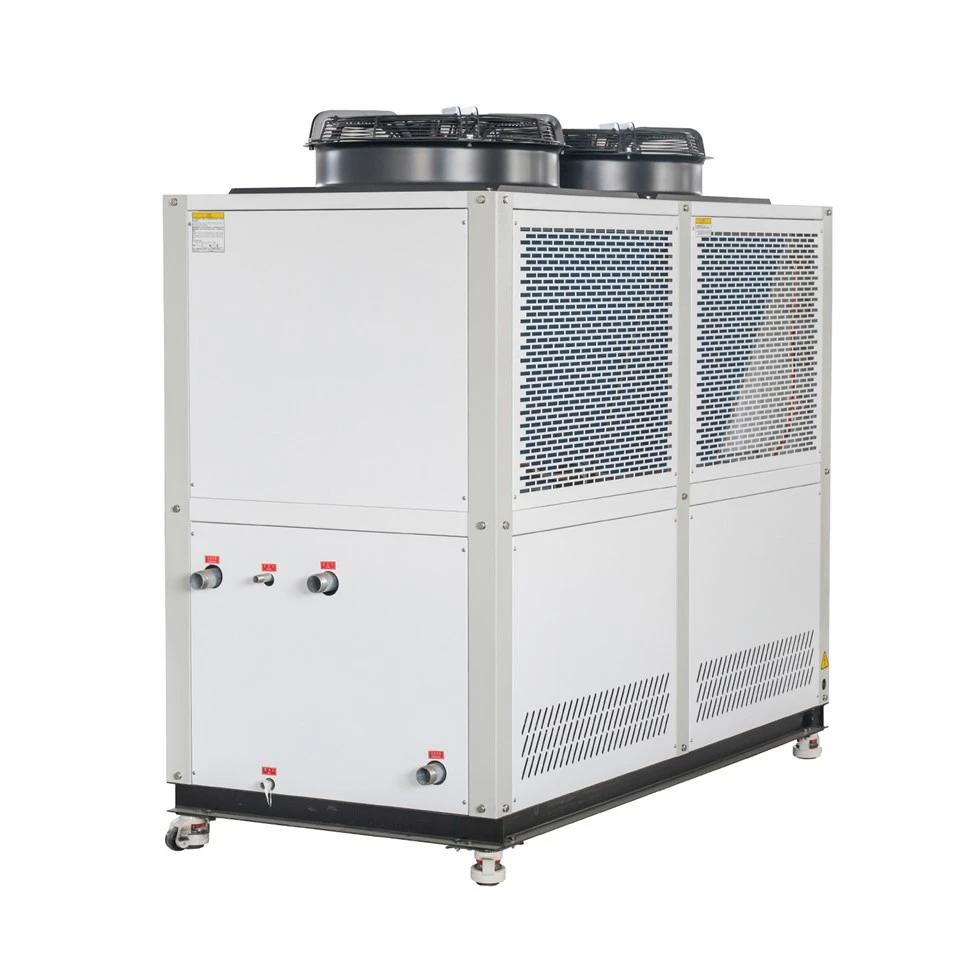
You can use flow meters to measure the flow rate. In an Industrial Air Cooled Chiller – High Efficiency Cooling System For Factory Use, maintaining the right flow rate of air and water is crucial for its high - efficiency operation.
Energy Consumption
Monitoring the energy consumption of the chiller is a great way to assess its performance. A sudden increase in energy consumption could be a sign of inefficiency or a problem with the chiller. It could be due to a worn - out compressor, a dirty condenser, or other issues.
You can use energy meters to track the power usage of the chiller over time. By comparing the energy consumption under normal operating conditions with the current usage, you can quickly spot any anomalies.
Monitoring Tools and Technologies
Sensors
As mentioned earlier, sensors are essential for monitoring temperature, pressure, and flow rate. Modern sensors are highly accurate and can provide real - time data. They can be connected to a control system, which allows you to monitor the chiller's performance remotely.
For example, temperature sensors can be placed at the inlet and outlet of the evaporator and condenser to measure the temperature difference, which is a good indicator of the chiller's efficiency. Pressure sensors can be installed in the refrigerant lines to detect any pressure changes.
Control Systems
A good control system is the heart of a monitoring setup. It can collect data from the sensors, analyze it, and provide alerts if any parameters are out of the normal range. Some advanced control systems can even adjust the chiller's operation automatically to optimize performance.
For instance, if the control system detects that the chilled water temperature is rising, it can increase the compressor speed or adjust the expansion valve to bring the temperature back to the desired level.
Data Logging
Data logging is an important part of performance monitoring. By recording the data over time, you can analyze trends and identify potential problems before they become serious. You can use a data logger to store the sensor readings at regular intervals.
This historical data can also be useful for maintenance planning. For example, if you notice that the energy consumption has been gradually increasing over a few months, it might be time to schedule a maintenance check.
Regular Maintenance and Inspections
Monitoring the performance of an industrial chiller is not just about using sensors and control systems. Regular maintenance and inspections are also crucial.
Cleaning
The condenser and evaporator coils need to be cleaned regularly. A dirty coil can reduce the heat transfer efficiency, leading to higher energy consumption and lower cooling capacity. You should clean the coils at least once a year, or more frequently if the chiller is operating in a dirty environment.
Lubrication
The moving parts of the compressor, such as the bearings and pistons, need to be lubricated properly. Insufficient lubrication can cause excessive wear and tear, leading to compressor failure. You should follow the manufacturer's recommendations for lubrication intervals and use the right type of lubricant.
Refrigerant Check
The refrigerant level in the chiller should be checked regularly. A refrigerant leak can not only reduce the cooling capacity but also damage the compressor. If you suspect a refrigerant leak, you should have it repaired immediately and recharge the system with the correct amount of refrigerant.
Troubleshooting Based on Monitoring Results
Once you have the monitoring data, you need to be able to troubleshoot any problems that arise.
Analyzing the Data
If you notice that the chilled water temperature is high and the high - side pressure is also elevated, it could be a sign of a clogged condenser. You can then check the condenser for any blockages, such as dirt or debris, and clean it if necessary.
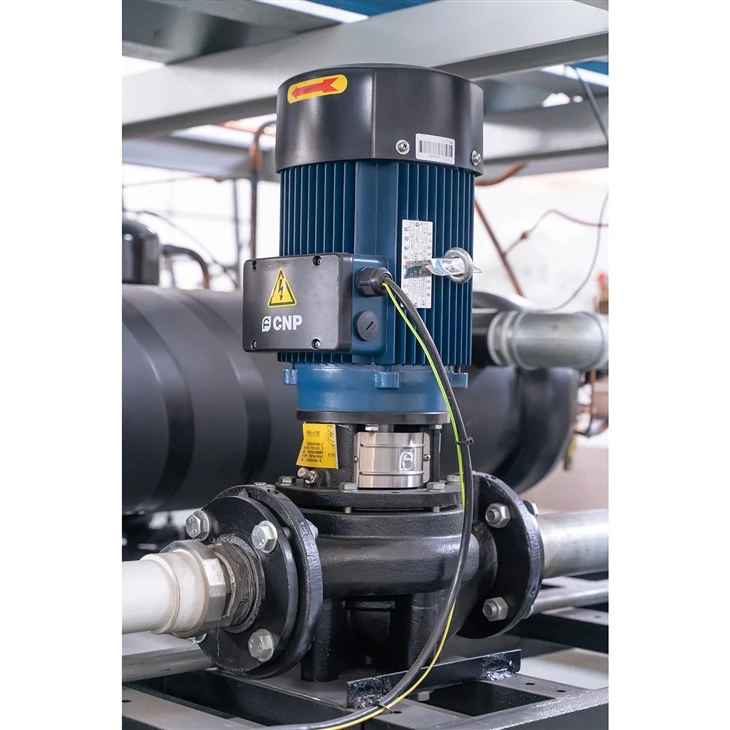
If the energy consumption is high and the flow rate is low, it might be due to a pump problem. You can inspect the pump for any mechanical issues or check the pump impeller for blockages.
Taking Action
After identifying the problem, you need to take appropriate action. This could involve simple tasks like cleaning a filter or more complex repairs like replacing a compressor. It's important to have a trained technician handle any major repairs to ensure the safety and reliability of the chiller.
Conclusion
Monitoring the performance of an industrial chiller is a multi - faceted process that involves tracking key performance indicators, using the right monitoring tools, performing regular maintenance, and troubleshooting based on the data. By doing so, you can ensure that your chiller operates efficiently, reduces energy costs, and extends its lifespan.
If you're in the market for a high - quality industrial chiller or need more information on chiller performance monitoring, don't hesitate to reach out. We're here to help you find the best solution for your specific needs, whether it's a 25Ton Chiller For Rubber Machine Cooling, an Industrial Air Cooled Chiller – High Efficiency Cooling System For Factory Use, or a -10℃ To 30℃ Temperature Control Compact Design Chiller Water System With Titanium Heat Exchanger. Let's work together to optimize your cooling processes!
References
- ASHRAE Handbook - Refrigeration.
- Manufacturer's manuals for industrial chillers.
- Industry standards and guidelines for chiller operation and maintenance.


