

In the bustling world of industrial operations, there's a silent hero that often goes unnoticed but plays a crucial role in keeping things running smoothly: the chiller plant. As an industrial chiller supplier, I've seen firsthand how these systems are the backbone of many industrial settings, so let's dive into what a chiller plant is and why it's so important.
What's a Chiller Plant Anyway?
A chiller plant is basically a centralized system designed to remove heat from a process, equipment, or space. It's like the air - conditioner for an entire industrial facility, but on a much larger and more complex scale. In simple terms, it takes in warm water or air, cools it down, and then circulates the cooled medium back to where it's needed.
The main components of a chiller plant typically include chillers, pumps, cooling towers (in the case of water - cooled systems), and a network of pipes and controls. The chiller itself is the heart of the system. It uses a refrigeration cycle to transfer heat from the fluid (usually water or a water - glycol mixture) being cooled to the refrigerant inside the chiller.
Types of Chillers in Industrial Settings
There are different types of chillers used in industrial chiller plants, and each has its own pros and cons.
Water - Cooled Chillers
Water - cooled chillers are a popular choice in many industrial applications. They use water from a cooling tower to reject the heat absorbed from the process. These chillers are known for their high efficiency, especially in large - scale operations. They can handle a significant amount of heat load and are often used in industries like manufacturing, chemical processing, and power generation. If you're looking for a water - cooled chiller, check out our China Made Industrial Water Cooled Ul Certificate Screw Water Chiller. It's a top - notch option with the UL certificate, which means it meets high safety and quality standards.
Air - Cooled Chillers
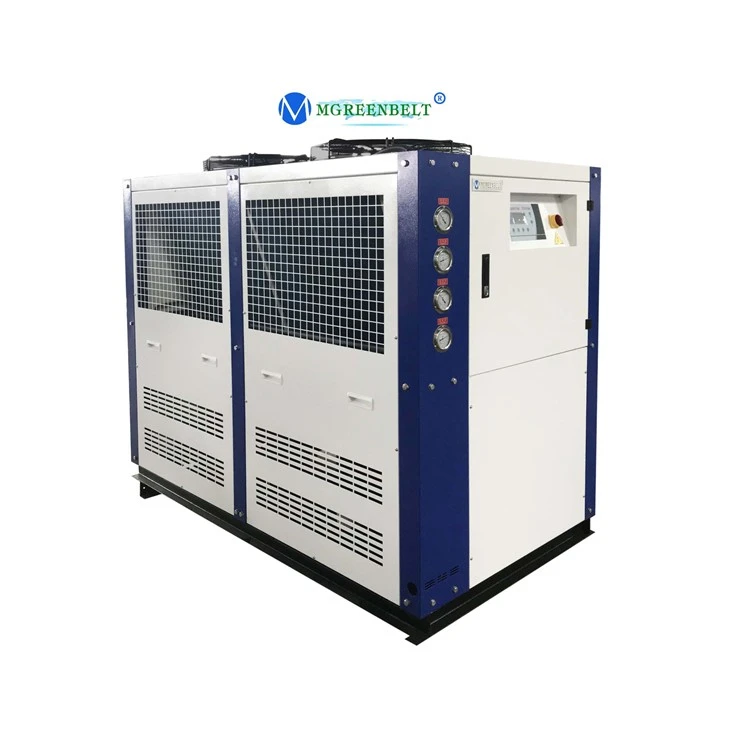
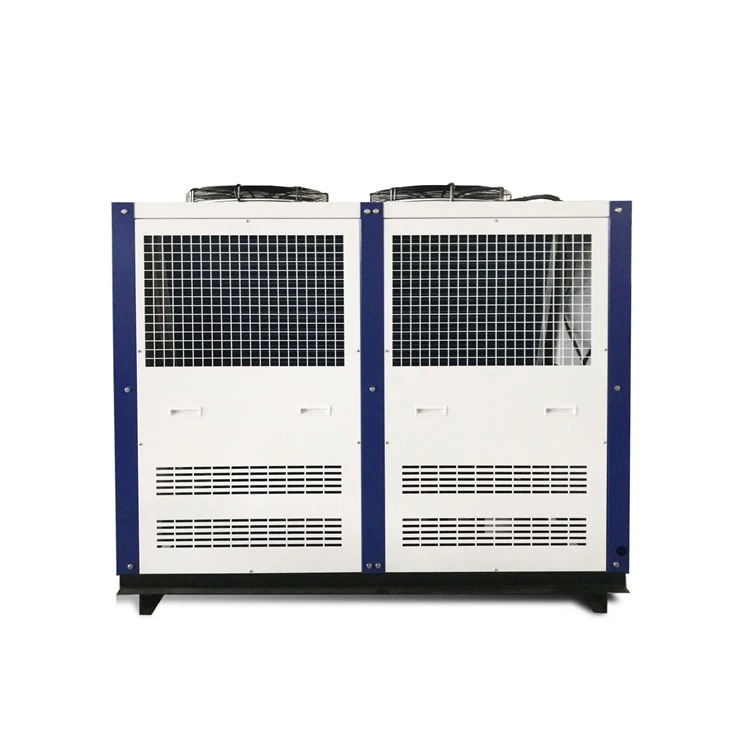
Air - cooled chillers, on the other hand, use ambient air to dissipate the heat. They're more compact and easier to install compared to water - cooled chillers. They don't require a separate cooling tower, which can save on installation space and cost. These chillers are great for smaller industrial facilities or applications where water is scarce. Our Industrial Air Cooled Water Chiller | Reliable Cooling Solution For Manufacturing & Processing is a reliable choice for those looking for an air - cooled option. It provides a consistent and efficient cooling solution for various manufacturing and processing needs.
Scroll Compressor Chillers
Scroll compressor chillers are another type that's gaining popularity. They use scroll compressors, which are known for their smooth operation, energy efficiency, and low noise levels. These chillers are often used in applications where a quiet and efficient cooling system is required, such as in food and beverage processing. We offer an Industrial Fin Tube Coil Coll Drink Low Price Scroll Compressor Water Chiller Coolers System that's perfect for cooling beverages and other similar products at an affordable price.
Why Industrial Settings Need Chiller Plants
Industrial processes generate a lot of heat. If this heat isn't removed properly, it can cause a whole host of problems. For example, in a manufacturing plant, overheating equipment can lead to breakdowns, reduced product quality, and even safety hazards.
In the food and beverage industry, precise temperature control is essential to maintain product freshness and prevent spoilage. A chiller plant ensures that the temperature in storage areas and processing equipment stays within the required range.
In data centers, where servers generate a massive amount of heat, chiller plants are crucial for preventing server overheating, which can lead to data loss and system failures.
How a Chiller Plant Works
Let's take a closer look at how a typical chiller plant operates. First, the warm fluid (water or water - glycol mixture) from the process or space being cooled enters the chiller. Inside the chiller, the refrigerant absorbs the heat from the fluid, causing the fluid to cool down.
The refrigerant then goes through a compression process, which increases its temperature and pressure. The hot, high - pressure refrigerant is then sent to the condenser. In a water - cooled chiller, the condenser transfers the heat from the refrigerant to the cooling water from the cooling tower. In an air - cooled chiller, the heat is transferred to the ambient air.
After the heat is removed, the refrigerant condenses back into a liquid and goes through an expansion valve, which reduces its pressure and temperature. The cold refrigerant then returns to the evaporator to start the cycle all over again. Meanwhile, the cooled fluid is pumped back to the process or space to remove more heat.
Maintaining a Chiller Plant
Proper maintenance is key to ensuring the long - term performance and efficiency of a chiller plant. Regular maintenance tasks include checking the refrigerant levels, cleaning the condenser and evaporator coils, inspecting the pumps and valves, and monitoring the control systems.
Neglecting maintenance can lead to reduced efficiency, increased energy consumption, and costly breakdowns. That's why it's important to have a maintenance schedule in place and to work with a reliable supplier who can provide support and parts when needed.
Customizing Chiller Plants for Industrial Needs
Every industrial facility is unique, and so are its cooling requirements. That's why we offer customized chiller plant solutions. We work closely with our customers to understand their specific needs, such as the heat load, temperature requirements, and available space.
We can design and install a chiller plant that's tailored to their operations, ensuring maximum efficiency and performance. Whether it's a small - scale operation or a large industrial complex, we have the expertise to provide the right cooling solution.
Conclusion
In conclusion, chiller plants are an essential part of industrial settings. They play a vital role in maintaining equipment performance, product quality, and safety. As an industrial chiller supplier, we're committed to providing high - quality chillers and customized solutions to meet the diverse needs of our customers.
If you're in the market for an industrial chiller or need to upgrade your existing chiller plant, don't hesitate to reach out. We're here to help you find the perfect cooling solution for your industrial operations. Let's start a conversation about your requirements and see how we can work together to keep your business running cool.
References
- ASHRAE Handbook of Refrigeration.
- Industrial Refrigeration Systems: Design, Operation, and Maintenance by John Doe.


