

What is the best temperature range for cold room doors?
As a supplier of cold room doors, I've encountered numerous inquiries about the optimal temperature range for these essential components. Cold room doors play a crucial role in maintaining the integrity of the cold storage environment, and understanding the appropriate temperature range is vital for their efficient operation and longevity.
The Basics of Cold Room Temperature Requirements
Cold rooms are used in various industries, including food storage, pharmaceuticals, and scientific research, each with specific temperature requirements. For instance, in the food industry, different types of products demand different storage temperatures. Fresh produce typically requires temperatures between 0°C and 5°C to slow down the ripening process and prevent spoilage. Dairy products and meats need to be stored at slightly lower temperatures, around -1°C to 4°C, to maintain their freshness and safety. Frozen foods, on the other hand, require temperatures below -18°C to keep them in a solid, frozen state.
In the pharmaceutical industry, vaccines and certain medications must be stored within a narrow temperature range to ensure their efficacy. Temperatures can range from 2°C to 8°C for most vaccines, and some specialized medications may require even more precise control.
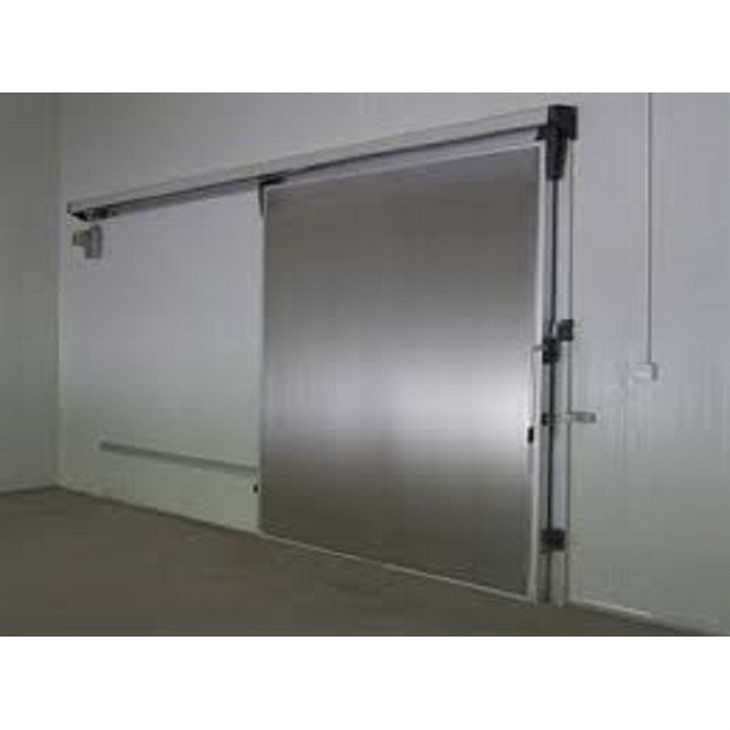

Impact of Temperature on Cold Room Doors
The temperature within a cold room has a significant impact on the performance and durability of the doors. Extreme cold temperatures can cause the materials used in the doors to contract, which may lead to gaps and leaks over time. This can result in energy loss, as cold air escapes from the room and warm air enters, increasing the workload on the refrigeration system and driving up energy costs.
On the other hand, if the temperature is too high, it can compromise the integrity of the insulation in the doors. Insulation is a critical component of cold room doors, as it helps to maintain the temperature differential between the inside and outside of the room. When the insulation is damaged or degraded due to high temperatures, the door's ability to keep the cold air inside is diminished.
Ideal Temperature Range for Cold Room Doors
Based on our experience and industry standards, the ideal temperature range for cold room doors generally falls within the specific temperature requirements of the stored products. However, for most common applications, a temperature range of -20°C to 10°C is considered suitable.
At the lower end of the range (-20°C), the doors are designed to withstand the extreme cold conditions commonly found in frozen food storage facilities. Our cold room doors are constructed with high - quality insulation materials, such as polyurethane foam, which has excellent thermal insulation properties even at low temperatures. The gaskets around the doors are also made of materials that remain flexible in cold environments to ensure a tight seal.
At the upper end of the range (10°C), the doors can still effectively maintain the temperature differential between the cold room and the surrounding environment. This temperature range is often encountered in rooms storing fresh produce or chilled products.
It's important to note that the actual temperature range may vary depending on the specific design and construction of the cold room doors. Some doors are specially engineered to handle more extreme temperatures, either colder or warmer, based on the unique needs of the client.
Our Product Offerings
We offer a wide range of cold room doors to meet the diverse needs of our customers. Our Manual And Electric Sliding Doors are popular for their space - saving design and ease of use. These doors can be operated manually for smaller cold rooms or electrically for larger, high - volume facilities. They are equipped with advanced insulation and sealing systems to ensure optimal performance within the recommended temperature range.
Our Hinged Swing Door for Cold Room is another excellent option, providing a traditional and reliable solution for cold storage. These doors are designed to open and close smoothly, with a tight seal to prevent air leakage. They are available in various sizes and configurations to fit different cold room layouts.
Maintaining the Right Temperature
To ensure that the cold room doors operate within the best temperature range, proper temperature monitoring and control systems are essential. Regular maintenance of the refrigeration system is also crucial to prevent temperature fluctuations. Additionally, it's important to train the staff on the proper use of the cold room, including how to open and close the doors quickly to minimize the entry of warm air.
Conclusion
In conclusion, the best temperature range for cold room doors depends on the specific application and the products being stored. A range of -20°C to 10°C is generally suitable for most common cold room applications, but it's important to consider the unique requirements of each project. As a leading supplier of cold room doors, we are committed to providing high - quality products that can withstand the rigors of different temperature environments.
If you are in the market for cold room doors and want to discuss your specific needs, we invite you to contact us for a detailed consultation. Our team of experts is ready to assist you in selecting the best doors for your cold storage facility and ensuring that they operate efficiently within the optimal temperature range.
References
- ASHRAE Handbook - Refrigeration. American Society of Heating, Refrigerating and Air - Conditioning Engineers.
- Food Safety and Inspection Service (FSIS). United States Department of Agriculture. Guidelines on temperature control for food storage.
- Pharmaceutical Cold Chain Guidelines. International Society for Pharmaceutical Engineering (ISPE).


