

Hey there! As a supplier of Glycol Chillers, I've seen firsthand how important these machines are in various industries, especially in the brewing world. But one thing that often gets overlooked is the impact of glycol degradation on chiller performance. So, let's dive into this topic and see what's going on.
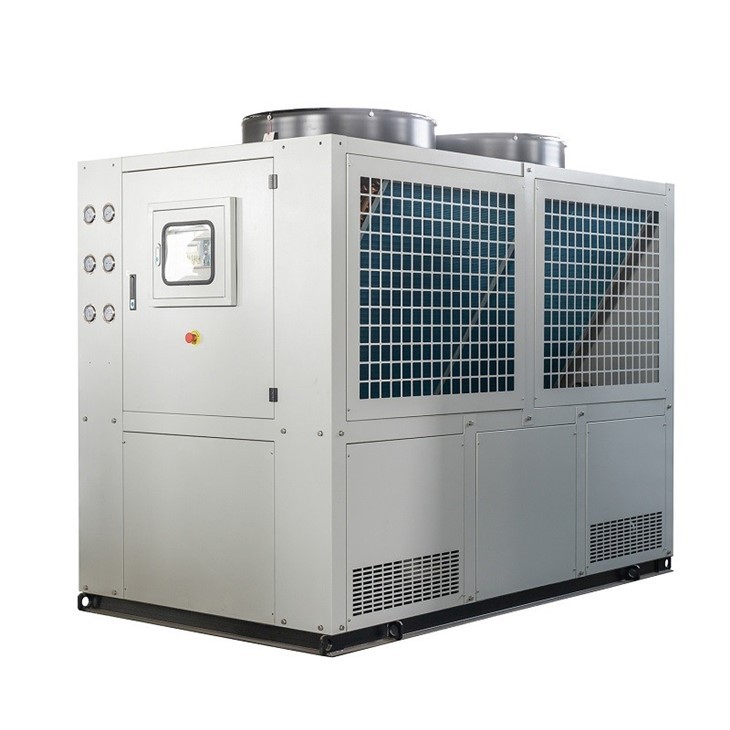

First off, what exactly is glycol? Glycol is a type of antifreeze that's commonly used in chiller systems. It helps to lower the freezing point of the water in the system, preventing it from freezing in cold temperatures. There are two main types of glycol used in chillers: ethylene glycol and propylene glycol. Ethylene glycol is more commonly used because it's cheaper and has better heat transfer properties. However, it's also toxic, so it needs to be handled with care. Propylene glycol, on the other hand, is less toxic and is often used in food and beverage applications.
Now, let's talk about glycol degradation. Over time, glycol can break down due to a variety of factors, including heat, oxygen, and contaminants. When glycol degrades, it can form acids and other byproducts that can cause a number of problems for your chiller system.
One of the biggest impacts of glycol degradation is on the heat transfer efficiency of the chiller. As glycol breaks down, it can form a layer of sludge and deposits on the heat exchanger surfaces. This layer acts as an insulator, reducing the ability of the heat exchanger to transfer heat from the process fluid to the refrigerant. As a result, the chiller has to work harder to maintain the desired temperature, which can lead to increased energy consumption and higher operating costs.
Another problem caused by glycol degradation is corrosion. The acids formed during glycol degradation can react with the metal components of the chiller system, such as the pipes, pumps, and heat exchangers. This can lead to corrosion and pitting, which can weaken the components and eventually cause them to fail. Corrosion can also cause leaks in the system, which can lead to further damage and increased maintenance costs.
In addition to reducing heat transfer efficiency and causing corrosion, glycol degradation can also affect the viscosity of the glycol solution. As glycol breaks down, its viscosity can increase, which can make it more difficult for the glycol to flow through the system. This can lead to reduced flow rates, increased pressure drops, and poor system performance.
So, how can you tell if your glycol is degrading? There are a few signs to look out for. One of the most obvious signs is a change in the color of the glycol solution. Fresh glycol is usually clear or slightly yellow, but as it degrades, it can turn brown or black. You may also notice a foul odor coming from the glycol solution, which is a sign of the formation of acids and other byproducts.
Another way to check for glycol degradation is to test the pH level of the glycol solution. Fresh glycol typically has a pH level between 7 and 9. As glycol degrades, the pH level can drop below 7, indicating the presence of acids. You can use a pH test kit to measure the pH level of your glycol solution.
If you suspect that your glycol is degrading, it's important to take action as soon as possible. The first step is to drain and replace the degraded glycol with fresh glycol. You should also clean the chiller system thoroughly to remove any sludge and deposits that may have formed on the heat exchanger surfaces.
To prevent glycol degradation in the future, there are a few things you can do. First, make sure to use high-quality glycol that's specifically designed for use in chiller systems. You should also follow the manufacturer's recommendations for glycol concentration and maintenance. This may include regular testing of the glycol solution, adding corrosion inhibitors, and replacing the glycol at regular intervals.
In addition to using high-quality glycol and following the manufacturer's recommendations, you can also take steps to reduce the amount of heat, oxygen, and contaminants in the chiller system. This may include installing a glycol filter to remove any particles and debris from the glycol solution, using a closed-loop system to prevent oxygen from entering the system, and maintaining the proper temperature and pressure in the system.
Now, let's talk about how all of this relates to our Glycol Chillers. At our company, we understand the importance of using high-quality glycol and maintaining the chiller system properly to ensure optimal performance. That's why we offer a range of Glycol Chillers that are designed to meet the needs of various industries, including the brewing industry.
For example, our 20KW Glycol Chiller For Cooling Beer is specifically designed for use in beer brewing applications. It's a high-performance chiller that uses advanced technology to provide efficient and reliable cooling. Our 10HP Glycol Chiller For 10HL Brewery is another great option for small to medium-sized breweries. It's a compact and energy-efficient chiller that can help you save on operating costs.
If you're looking for a chiller for a larger beer brewing system, our Air Cooled Glycol Water Chiller For 10bbl 20bbl Beer Brewing System is a great choice. It's a powerful and reliable chiller that can provide efficient cooling for large-scale brewing operations.
In conclusion, glycol degradation can have a significant impact on the performance of your chiller system. It can reduce heat transfer efficiency, cause corrosion, and affect the viscosity of the glycol solution. By using high-quality glycol, following the manufacturer's recommendations for maintenance, and taking steps to reduce the amount of heat, oxygen, and contaminants in the system, you can prevent glycol degradation and ensure optimal performance of your chiller.
If you're in the market for a Glycol Chiller, we'd love to hear from you. Our team of experts can help you choose the right chiller for your needs and provide you with all the information and support you need to keep your chiller running smoothly. So, don't hesitate to reach out and start a conversation about your chiller requirements.
References:
- ASHRAE Handbook - Refrigeration. American Society of Heating, Refrigerating and Air-Conditioning Engineers.
- "Glycol in HVAC Systems: Properties, Applications, and Maintenance." HVAC&R Research.


