

As a supplier of glycol chillers, I've often been asked about the heat transfer efficiency of these essential pieces of equipment. Heat transfer efficiency is a critical factor in determining the performance and effectiveness of a glycol chiller, and understanding its nuances can help businesses make informed decisions when selecting the right chiller for their needs.
Understanding Heat Transfer in Glycol Chillers
Before delving into the heat transfer efficiency of glycol chillers, it's essential to understand the basic principles of heat transfer. Heat transfer occurs when there is a temperature difference between two substances, and it can happen through three primary mechanisms: conduction, convection, and radiation. In the context of glycol chillers, conduction and convection are the most relevant mechanisms.
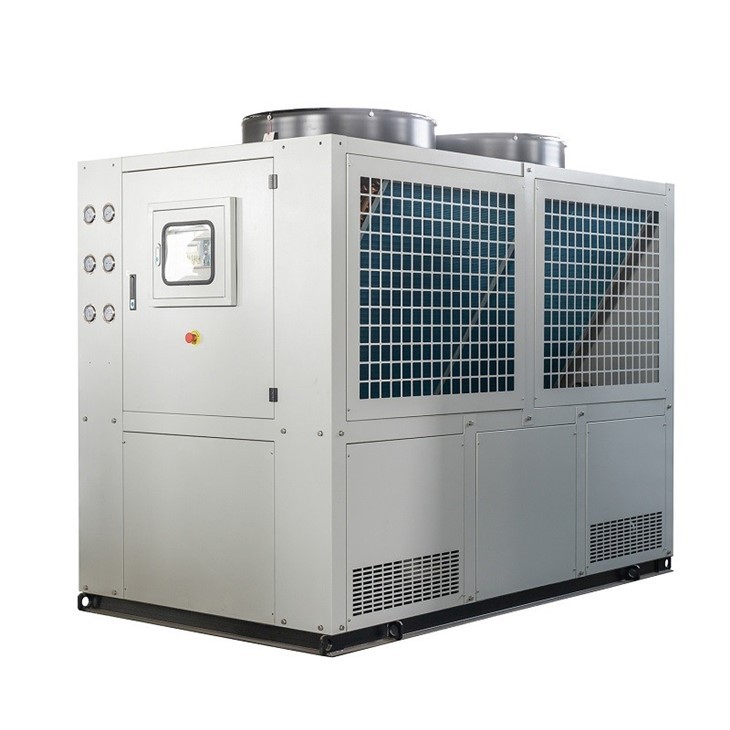
Glycol chillers work by circulating a mixture of glycol and water through a closed-loop system. The glycol-water mixture absorbs heat from the process or equipment being cooled and transfers it to the chiller's refrigeration system. The refrigeration system then removes the heat from the glycol-water mixture and releases it into the environment.
The heat transfer efficiency of a glycol chiller is determined by several factors, including the design of the chiller, the properties of the glycol-water mixture, and the operating conditions. A more efficient chiller will be able to transfer heat more effectively, resulting in lower energy consumption and better overall performance.
Factors Affecting Heat Transfer Efficiency
Chiller Design
The design of a glycol chiller plays a crucial role in determining its heat transfer efficiency. A well-designed chiller will have a high surface area for heat transfer, which allows for more efficient heat exchange between the glycol-water mixture and the refrigeration system. Additionally, the chiller's flow rate and pressure drop should be optimized to ensure that the glycol-water mixture is circulated effectively throughout the system.
One important design feature of a glycol chiller is the type of heat exchanger used. There are several types of heat exchangers available, including shell-and-tube, plate, and finned-tube heat exchangers. Each type of heat exchanger has its own advantages and disadvantages, and the choice of heat exchanger will depend on the specific application and operating conditions.
Glycol-Water Mixture Properties
The properties of the glycol-water mixture also have a significant impact on the heat transfer efficiency of a glycol chiller. The concentration of glycol in the mixture affects its thermal conductivity, viscosity, and freezing point. A higher concentration of glycol will generally result in a lower freezing point and higher viscosity, which can reduce the heat transfer efficiency of the chiller.
It's important to choose the right glycol-water mixture for the specific application and operating conditions. The mixture should have a high thermal conductivity to ensure efficient heat transfer, as well as a low viscosity to minimize pressure drop and energy consumption. Additionally, the mixture should be compatible with the materials used in the chiller and the process being cooled.

Operating Conditions
The operating conditions of a glycol chiller, such as the inlet and outlet temperatures of the glycol-water mixture and the ambient temperature, can also affect its heat transfer efficiency. A higher inlet temperature of the glycol-water mixture will result in a greater temperature difference between the mixture and the refrigeration system, which can increase the heat transfer rate. However, a higher inlet temperature can also increase the energy consumption of the chiller.
The ambient temperature also plays a role in the heat transfer efficiency of a glycol chiller. A higher ambient temperature can reduce the efficiency of the chiller's refrigeration system, as it becomes more difficult to reject heat into the environment. In hot climates, it may be necessary to use a larger chiller or to implement additional cooling measures to maintain the desired temperature.
Measuring Heat Transfer Efficiency
The heat transfer efficiency of a glycol chiller can be measured using several methods. One common method is to calculate the coefficient of performance (COP), which is the ratio of the cooling capacity of the chiller to the power input. A higher COP indicates a more efficient chiller.
Another method is to measure the heat transfer rate, which is the amount of heat transferred from the glycol-water mixture to the refrigeration system per unit of time. The heat transfer rate can be calculated using the following formula:
Q = m * Cp * ΔT
Where Q is the heat transfer rate, m is the mass flow rate of the glycol-water mixture, Cp is the specific heat capacity of the mixture, and ΔT is the temperature difference between the inlet and outlet of the chiller.
Improving Heat Transfer Efficiency
There are several ways to improve the heat transfer efficiency of a glycol chiller. One way is to optimize the design of the chiller, such as by using a more efficient heat exchanger or by improving the flow rate and pressure drop. Another way is to choose the right glycol-water mixture for the specific application and operating conditions.
Regular maintenance of the chiller is also essential to ensure optimal performance. This includes cleaning the heat exchanger, checking the refrigerant levels, and inspecting the pumps and valves. By keeping the chiller in good working condition, it can operate more efficiently and effectively.
Our Glycol Chillers
At our company, we offer a wide range of glycol chillers designed to meet the needs of various industries and applications. Our chillers are designed with high heat transfer efficiency in mind, using advanced technologies and materials to ensure optimal performance.
One of our popular products is the 20KW Glycol Chiller For Cooling Beer. This chiller is specifically designed for the brewing industry and is capable of providing reliable and efficient cooling for beer production. It features a high-efficiency heat exchanger and a powerful refrigeration system, ensuring fast and effective cooling.
Another product is the Air Cooled Glycol Water Chiller For 10bbl 20bbl Beer Brewing System. This chiller is suitable for small to medium-sized breweries and offers a compact and energy-efficient solution for cooling beer. It uses air cooling technology, which eliminates the need for a separate cooling tower and reduces water consumption.
We also offer the 10HP Glycol Chiller For 10HL Brewery. This chiller is designed for larger breweries and provides a high-capacity cooling solution. It features a robust construction and advanced control system, ensuring reliable and efficient operation.
Contact Us for More Information
If you're interested in learning more about the heat transfer efficiency of our glycol chillers or if you have any other questions, please don't hesitate to contact us. Our team of experts is available to provide you with detailed information and to help you choose the right chiller for your needs. We can also assist you with installation, maintenance, and troubleshooting.
Investing in a high-quality glycol chiller with excellent heat transfer efficiency can provide significant benefits for your business, including lower energy costs, improved product quality, and increased productivity. Contact us today to start the conversation and explore how our glycol chillers can meet your cooling requirements.
References
- ASHRAE Handbook - Refrigeration. American Society of Heating, Refrigerating and Air-Conditioning Engineers.
- Incropera, F. P., & DeWitt, D. P. (2002). Fundamentals of Heat and Mass Transfer. John Wiley & Sons.
- Pate, M. B., & Tree, D. R. (1994). Heat Transfer in Refrigeration and Air Conditioning. CRC Press.


