

Hey there! As a supplier of glycol chillers, I often get asked about the difference between a glycol chiller and a refrigeration unit. It's a great question, and I'm here to break it down for you in plain English.
First off, let's talk about what a glycol chiller is. A glycol chiller is a type of cooling system that uses a mixture of water and glycol as a coolant. Glycol is added to the water to lower its freezing point, which allows the chiller to operate at lower temperatures without the risk of the coolant freezing. This makes glycol chillers ideal for applications where precise temperature control is required, such as in the brewing, food and beverage, and pharmaceutical industries.
On the other hand, a refrigeration unit is a more general term that refers to any system that uses a refrigerant to remove heat from a space or substance. Refrigeration units can be used for a wide range of applications, from cooling homes and offices to preserving food and medicine.
So, what are the main differences between a glycol chiller and a refrigeration unit? Let's take a closer look.
Temperature Control
One of the biggest differences between a glycol chiller and a refrigeration unit is their ability to control temperature. Glycol chillers are designed to provide precise temperature control, often within a few degrees. This is because the glycol mixture has a high specific heat capacity, which means it can absorb and release heat slowly. This allows the chiller to maintain a stable temperature, even in fluctuating ambient conditions.
Refrigeration units, on the other hand, are typically designed to cool a space or substance to a specific temperature range. While they can provide accurate temperature control, they may not be as precise as a glycol chiller. This is because refrigerants have a lower specific heat capacity than glycol, which means they can absorb and release heat more quickly. As a result, refrigeration units may experience more temperature fluctuations than glycol chillers.
Cooling Capacity
Another difference between a glycol chiller and a refrigeration unit is their cooling capacity. Glycol chillers are typically used for applications that require a high level of cooling, such as in large industrial processes or commercial kitchens. This is because glycol chillers can provide a large amount of cooling power in a relatively small space.
Refrigeration units, on the other hand, are available in a wide range of sizes and capacities. They can be used for both small and large applications, depending on the specific requirements of the space or substance being cooled.
Energy Efficiency
Energy efficiency is an important consideration when choosing a cooling system. Glycol chillers are generally more energy-efficient than refrigeration units because they use a closed-loop system. This means that the glycol mixture is circulated through the chiller and back to the process or equipment being cooled, without any loss of coolant. As a result, glycol chillers require less energy to operate than refrigeration units, which may need to constantly replenish the refrigerant.
Refrigeration units, on the other hand, may be less energy-efficient because they use an open-loop system. This means that the refrigerant is released into the atmosphere after it has absorbed heat from the space or substance being cooled. As a result, refrigeration units may require more energy to operate than glycol chillers, especially if they are used in large or high-demand applications.
Maintenance and Cost
Maintenance and cost are also important factors to consider when choosing a cooling system. Glycol chillers are generally more expensive to purchase and install than refrigeration units because they require a more complex system of pipes, pumps, and controls. However, they are also generally more reliable and require less maintenance than refrigeration units. This is because the glycol mixture is less likely to corrode or damage the chiller components, and the closed-loop system reduces the risk of leaks and other problems.
Refrigeration units, on the other hand, are generally less expensive to purchase and install than glycol chillers. However, they may require more maintenance and repairs over time, especially if they are used in harsh or demanding environments. This is because the refrigerant can be toxic and flammable, and leaks can pose a serious safety hazard.
Applications
Finally, let's talk about the applications of glycol chillers and refrigeration units. Glycol chillers are commonly used in the following industries:
- Brewing: Glycol chillers are used to cool the wort during the brewing process, which helps to prevent the growth of bacteria and other microorganisms. They are also used to maintain the temperature of the beer during fermentation and storage. 10HP Glycol Chiller For 10HL Brewery is a great option for small to medium-sized breweries.
- Food and Beverage: Glycol chillers are used to cool food and beverages during processing, storage, and transportation. They are also used to maintain the temperature of display cases and refrigerators in supermarkets and restaurants. 20KW Glycol Chiller For Cooling Beer is a popular choice for cooling beer in commercial settings.
- Pharmaceutical: Glycol chillers are used to cool pharmaceutical products during manufacturing, storage, and transportation. They are also used to maintain the temperature of laboratory equipment and research facilities.
- Industrial: Glycol chillers are used in a wide range of industrial processes, such as plastic molding, metalworking, and chemical processing. They are also used to cool large machinery and equipment, such as generators and compressors. Air Cooled Glycol Water Chiller For 10bbl 20bbl Beer Brewing System is a great option for small to medium-sized breweries.
Refrigeration units, on the other hand, are commonly used in the following applications:
- Residential: Refrigeration units are used to cool homes and apartments, providing a comfortable living environment during hot weather.
- Commercial: Refrigeration units are used in a wide range of commercial applications, such as supermarkets, restaurants, and offices. They are also used to cool data centers and other critical infrastructure.
- Transportation: Refrigeration units are used to transport perishable goods, such as food and medicine, over long distances. They are also used to cool the cabins of airplanes and other vehicles.
Conclusion
In conclusion, while both glycol chillers and refrigeration units are used for cooling, they have some important differences. Glycol chillers are designed for applications that require precise temperature control, high cooling capacity, and energy efficiency. They are commonly used in the brewing, food and beverage, pharmaceutical, and industrial industries. Refrigeration units, on the other hand, are more general-purpose cooling systems that can be used for a wide range of applications, from residential to commercial and transportation.
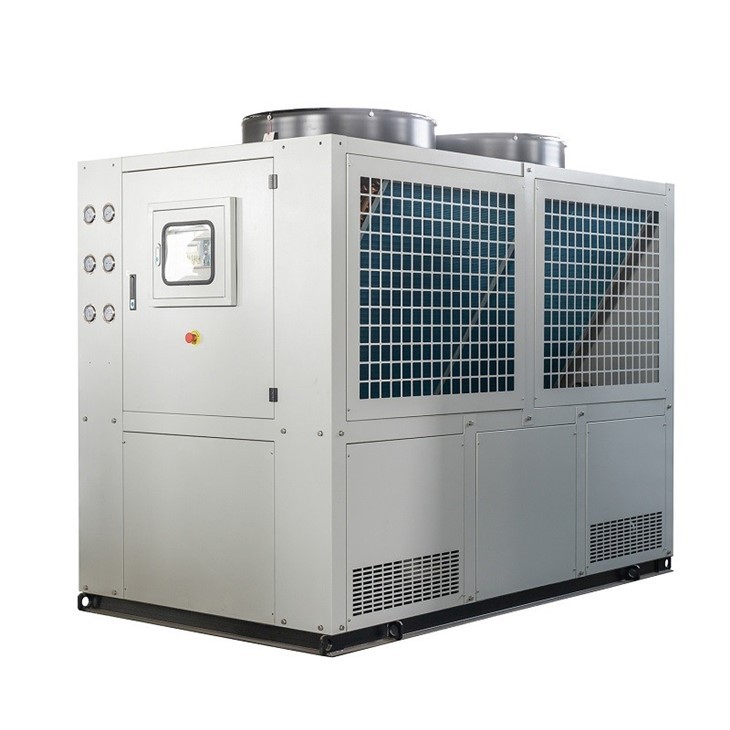

If you're in the market for a cooling system, it's important to consider your specific needs and requirements. If you need precise temperature control and high cooling capacity, a glycol chiller may be the best option for you. If you need a more general-purpose cooling system that can be used for a variety of applications, a refrigeration unit may be a better choice.
If you have any questions or would like to learn more about our glycol chillers, please don't hesitate to contact us. We'd be happy to help you find the right cooling solution for your needs.
References
- ASHRAE Handbook of Refrigeration. American Society of Heating, Refrigerating and Air-Conditioning Engineers.
- Refrigeration and Air Conditioning Technology. William C. Whitman, William M. Johnson, John Tomczyk, and Eugene Silberstein.


