

When it comes to industrial and commercial cooling applications, glycol chillers have become an indispensable part of many operations. As a leading glycol chiller supplier, I often encounter inquiries about the cooling capacity of a typical glycol chiller. In this blog post, I will delve into the concept of cooling capacity, factors influencing it, and provide insights into what you can expect from a typical glycol chiller.
Understanding Cooling Capacity
Cooling capacity is a fundamental metric that measures the ability of a chiller to remove heat from a system. It is typically expressed in British Thermal Units per hour (BTU/h) or kilowatts (kW). One BTU is defined as the amount of heat required to raise the temperature of one pound of water by one degree Fahrenheit. In the metric system, a kilowatt is a unit of power equivalent to 1,000 watts.
For glycol chillers, the cooling capacity indicates how much heat can be extracted from the glycol solution circulating through the system. This is crucial for maintaining the desired temperature in various applications, such as beer brewing, food processing, and pharmaceutical manufacturing.
Factors Affecting Cooling Capacity
Several factors influence the cooling capacity of a glycol chiller. Understanding these factors can help you select the right chiller for your specific needs.
Temperature Difference
The temperature difference between the inlet and outlet of the glycol solution is a key factor in determining cooling capacity. A larger temperature difference means more heat can be removed from the system. For example, if the inlet temperature of the glycol is 20°C and the outlet temperature is 10°C, the chiller is removing more heat compared to a scenario where the outlet temperature is 15°C.
Flow Rate
The flow rate of the glycol solution through the chiller also affects cooling capacity. A higher flow rate allows more glycol to pass through the chiller per unit of time, enabling it to remove more heat. However, it's important to note that there is an optimal flow rate for each chiller, and exceeding this rate may lead to reduced efficiency.
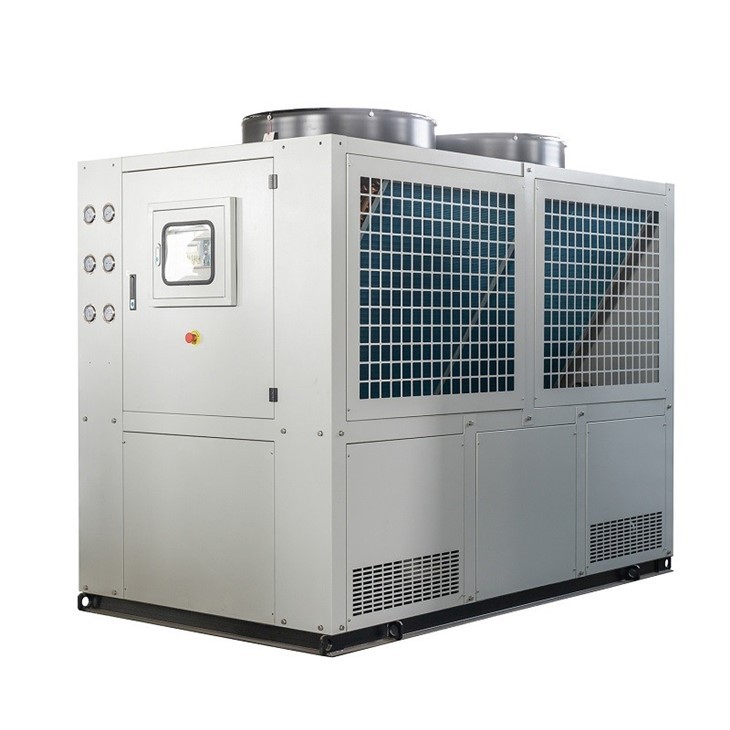

Refrigerant Type and Charge
The type of refrigerant used in the chiller and the amount of refrigerant charge play a significant role in cooling capacity. Different refrigerants have different thermodynamic properties, which affect their ability to absorb and release heat. Additionally, an improper refrigerant charge can lead to reduced cooling capacity and increased energy consumption.
Ambient Temperature
The ambient temperature surrounding the chiller can impact its performance. In hot environments, the chiller has to work harder to reject heat, which can reduce its cooling capacity. On the other hand, in cold environments, the chiller may operate more efficiently, but it's important to ensure that the glycol solution does not freeze.
Typical Cooling Capacities of Glycol Chillers
The cooling capacity of a typical glycol chiller can vary widely depending on its size, design, and application. Here are some common cooling capacities for different types of glycol chillers:
Small-Scale Applications
For small-scale applications, such as home brewing or laboratory use, glycol chillers with cooling capacities ranging from 1 to 5 kW are commonly used. These chillers are compact and energy-efficient, making them suitable for limited spaces. For example, our 20KW Glycol Chiller For Cooling Beer is ideal for small to medium-sized breweries.
Medium-Scale Applications
In medium-scale applications, such as small food processing plants or commercial breweries, glycol chillers with cooling capacities between 5 and 20 kW are often employed. These chillers offer a good balance between performance and cost, and can handle a moderate amount of heat load. Our Air Cooled Glycol Water Chiller For 10bbl 20bbl Beer Brewing System is a popular choice for medium-sized breweries.
Large-Scale Applications
For large-scale applications, such as industrial manufacturing plants or large breweries, glycol chillers with cooling capacities exceeding 20 kW are required. These chillers are designed to handle high heat loads and are often customized to meet specific requirements. Our 10HP Glycol Chiller For 10HL Brewery is a powerful solution for large-scale brewing operations.
Selecting the Right Glycol Chiller
Choosing the right glycol chiller for your application is crucial to ensure optimal performance and energy efficiency. Here are some tips to help you make an informed decision:
Determine Your Cooling Requirements
Start by calculating the heat load of your system. This involves considering factors such as the size of the space, the type of equipment being cooled, and the desired temperature range. Once you have determined the heat load, you can select a chiller with a cooling capacity that meets or exceeds your requirements.
Consider the Application
Different applications have different requirements when it comes to temperature control and cooling capacity. For example, beer brewing requires precise temperature control to ensure the quality of the beer, while food processing may require a higher cooling capacity to prevent spoilage. Make sure to choose a chiller that is specifically designed for your application.
Evaluate Energy Efficiency
Energy efficiency is an important consideration when selecting a glycol chiller. Look for chillers with high energy efficiency ratings, such as those with variable speed compressors or advanced control systems. These features can help reduce energy consumption and lower operating costs over the long term.
Check for Reliability and Maintenance
A reliable chiller is essential to ensure continuous operation and minimize downtime. Look for chillers from reputable manufacturers that offer good warranties and after-sales support. Additionally, consider the maintenance requirements of the chiller, such as regular filter changes and refrigerant checks.
Conclusion
The cooling capacity of a typical glycol chiller depends on several factors, including temperature difference, flow rate, refrigerant type and charge, and ambient temperature. By understanding these factors and selecting the right chiller for your application, you can ensure optimal performance and energy efficiency.
As a glycol chiller supplier, we offer a wide range of chillers with different cooling capacities to meet the needs of various industries. If you have any questions or need assistance in selecting the right chiller for your application, please feel free to contact us. We are here to help you find the best solution for your cooling requirements.
References
- ASHRAE Handbook - Refrigeration. American Society of Heating, Refrigerating and Air-Conditioning Engineers.
- "Industrial Refrigeration Handbook." Dossat, Ronald J. CRC Press.


