

When it comes to cold room solutions, one crucial component that often gets overlooked is the cold room door. As a trusted cold room supplier, we understand the significance of selecting the right type of door for your specific needs. In this blog post, we'll explore the different types of cold room doors available in the market, their features, and the ideal applications for each.
Swing Doors
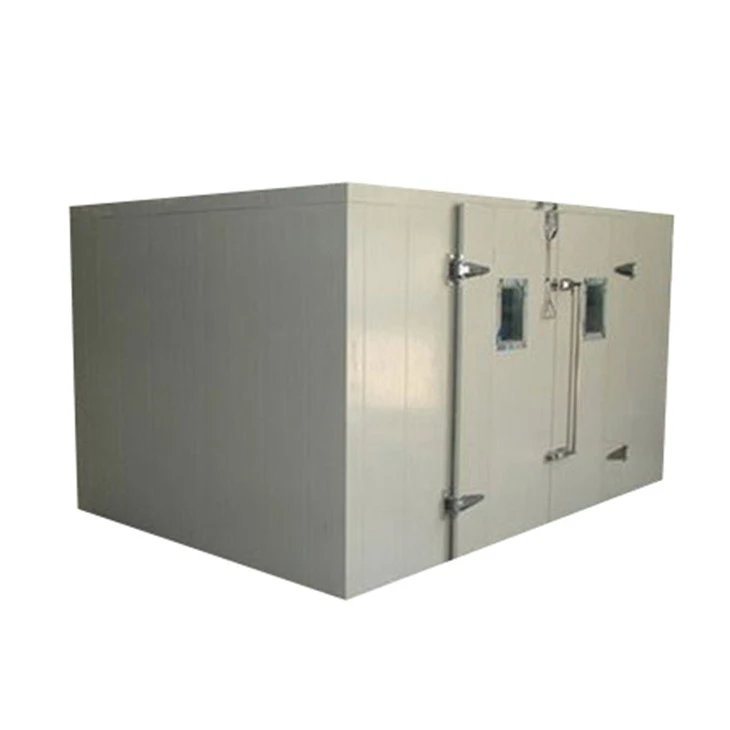
Swing doors are perhaps the most common type of cold room doors. They operate on a hinge system, allowing them to swing open either inward or outward. These doors are known for their simplicity, durability, and ease of use.
Features
- Robust Construction: Swing doors are typically made from high - quality materials such as stainless steel or galvanized steel, which provide excellent strength and resistance to corrosion.
- Insulation: They are well - insulated to prevent heat transfer, helping to maintain the desired temperature inside the cold room. The insulation materials used can include polyurethane foam, which offers high thermal efficiency.
- Sealing: Swing doors are equipped with tight - fitting seals around the edges to prevent air leakage. This is essential for maintaining energy efficiency and ensuring the cold room's temperature stability.
Ideal Applications
Swing doors are suitable for a wide range of cold room applications. They are commonly used in small to medium - sized commercial cold rooms, such as those found in restaurants, cafes, and convenience stores. For example, in a Commercial Cold Room Storage, swing doors can provide easy access for staff to retrieve food items while keeping the cold air inside.
Sliding Doors
Sliding doors are another popular choice for cold rooms, especially in situations where space is limited. Instead of swinging open, these doors slide horizontally along a track.
Features
- Space - Saving Design: The main advantage of sliding doors is their space - saving nature. They do not require additional clearance for swinging, making them ideal for cold rooms located in tight spaces.
- Smooth Operation: Sliding doors are designed to operate smoothly along the track, with minimal effort required to open and close them. This makes them convenient for frequent use.
- Customizable Sizes: They can be customized to fit different cold room dimensions, ensuring a perfect fit for your specific requirements.
Ideal Applications
Sliding doors are often used in large - scale cold storage facilities, warehouses, and industrial cold rooms. In a Medium Temperature Cold Room Storage For Fruits, sliding doors can be installed to allow for easy movement of large pallets of fruits in and out of the cold room without taking up too much floor space.
Automatic Doors
Automatic doors are a modern and convenient option for cold rooms. These doors are equipped with sensors that detect movement and automatically open and close.
Features
- Hands - Free Operation: The key feature of automatic doors is their hands - free operation. This is especially useful in situations where staff are carrying items or when there is a high volume of traffic in and out of the cold room.
- Energy Efficiency: Automatic doors are designed to open and close quickly, reducing the amount of time the cold room is exposed to the outside environment. This helps to minimize heat transfer and save energy.
- Safety Features: Most automatic doors are equipped with safety sensors that prevent them from closing on objects or people, ensuring a safe working environment.
Ideal Applications
Automatic doors are commonly used in busy commercial kitchens, large supermarkets, and distribution centers. In a Positive Temperature Walk in Cooler For Vegetable, automatic doors can provide easy access for workers to retrieve vegetables while maintaining the proper temperature inside the cooler.
High - Speed Doors
High - speed doors are designed to open and close at a rapid pace, minimizing the time the cold room is exposed to the outside environment.
Features
- Fast Operation: These doors can open and close at speeds of up to several meters per second, significantly reducing the amount of heat transfer and energy loss.
- Durable Construction: High - speed doors are built to withstand frequent use and are made from tough materials that can resist wear and tear.
- Insulation and Sealing: They are well - insulated and have tight seals to ensure optimal temperature control inside the cold room.
Ideal Applications
High - speed doors are often used in cold rooms with high traffic flow, such as loading docks and distribution centers. They are also suitable for cold rooms where quick access is required, such as in the food processing industry.
Hygienic Doors
Hygienic doors are specifically designed for cold rooms in industries where strict hygiene standards must be maintained, such as the food and pharmaceutical industries.
Features
- Easy to Clean: Hygienic doors are made from smooth, non - porous materials that are easy to clean and disinfect. This helps to prevent the growth of bacteria and other contaminants.
- Sealed Joints: They have sealed joints and edges to prevent the accumulation of dirt and moisture, further enhancing hygiene.
- Corrosion Resistance: Hygienic doors are often made from materials that are resistant to corrosion, ensuring long - term durability in a wet and cold environment.
Ideal Applications
Hygienic doors are essential in cold rooms used for storing food products, pharmaceutical drugs, and other sensitive items. They are commonly found in food processing plants, dairies, and pharmaceutical warehouses.
Choosing the Right Cold Room Door
Selecting the right cold room door depends on several factors, including the size of the cold room, the frequency of use, the available space, and the specific requirements of your application. Here are some tips to help you make the right choice:
- Consider the Space: If you have limited space, sliding doors or high - speed doors may be the best option. For larger areas, swing doors can provide easy access.
- Think about Traffic Flow: For cold rooms with high traffic, automatic doors or high - speed doors can improve efficiency and energy savings.
- Evaluate Hygiene Requirements: If your cold room is used for storing food or pharmaceutical products, hygienic doors are a must.
- Check the Insulation: Ensure that the door you choose has good insulation properties to maintain the desired temperature inside the cold room.
As a cold room supplier, we have a wide range of cold room doors to meet your specific needs. Our team of experts can help you select the right door for your cold room and provide professional installation and after - sales service.
If you're in the market for a cold room or need to upgrade your existing cold room door, we invite you to contact us for a consultation. Our experienced sales team will be happy to discuss your requirements and provide you with a customized solution. Let's work together to ensure your cold room operates efficiently and effectively.
References
- ASHRAE Handbook - Refrigeration. American Society of Heating, Refrigerating and Air - Conditioning Engineers.
- Cold Storage Design and Operation Guidelines. International Institute of Refrigeration.


