

Hey there! As a supplier of industrial chillers, I've had my fair share of experiences dealing with different types of secondary refrigerants. In this blog, I'm gonna walk you through the common secondary refrigerants used in industrial chillers.
What are Secondary Refrigerants?
First off, let's quickly understand what secondary refrigerants are. Unlike primary refrigerants that directly participate in the refrigeration cycle by absorbing and releasing heat through phase - changes, secondary refrigerants are used to transfer heat from the place where cooling is required to the primary refrigerant system. They act as a kind of middle - man in the heat - transfer process. This setup is super useful in industrial applications because it allows for better control, reduces the amount of primary refrigerant needed, and can enhance safety.
Common Secondary Refrigerants
Water
Water is probably the most widely used secondary refrigerant out there, and it's not hard to see why. It's cheap, non - toxic, and has a high specific heat capacity. This means it can absorb a large amount of heat with only a small change in temperature.
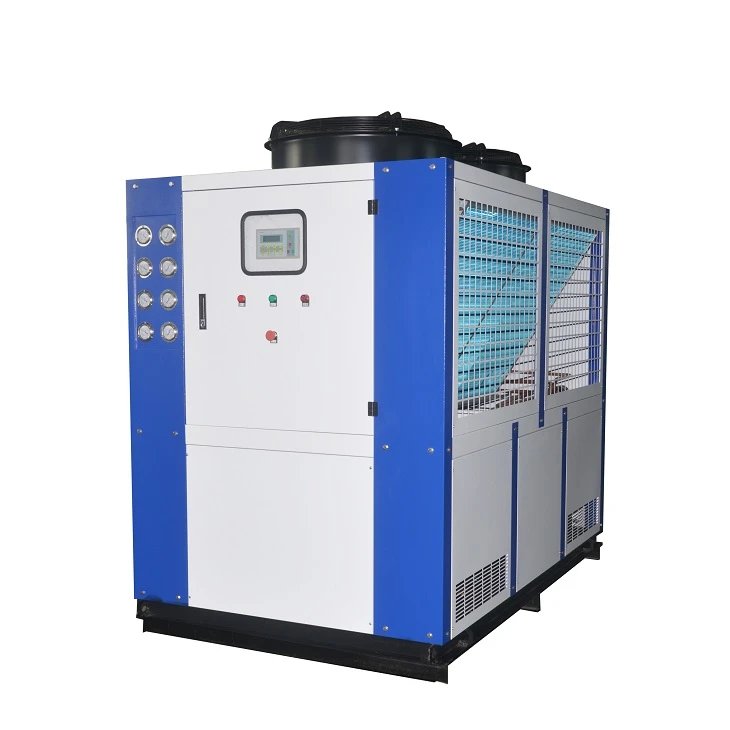
In industrial chillers, water is often used in systems where the required temperature is above the freezing point. For example, in many manufacturing processes like food and beverage production, water - cooled chillers are quite common. Our 30hp Beverage Chiller Industrial Water Chiller uses water as a secondary refrigerant to cool down the beverages during the production process. It keeps the temperature just right to ensure the quality and taste of the final product.
However, the big drawback of using water is its freezing point. If the temperature drops below 0°C, water will freeze, which can damage the chiller system. So, in applications where sub - zero temperatures are needed, we have to look for other options.
Brine Solutions
Brine solutions, typically made by dissolving salts like sodium chloride (NaCl) or calcium chloride (CaCl₂) in water, are another popular choice. These solutions have a lower freezing point than pure water, which makes them suitable for applications where lower temperatures are required.
Sodium chloride brine is relatively inexpensive and easy to handle. It's often used in industrial processes where the temperature needs to be around - 10°C to - 20°C. Calcium chloride brine, on the other hand, can achieve even lower freezing points, down to around - 50°C. This makes it ideal for more extreme cooling applications, such as in some chemical manufacturing processes.
But brine solutions also have their issues. They can be corrosive to some metals, so the chiller components need to be made of materials that can resist corrosion. Also, over time, the concentration of the brine can change due to evaporation or leakage, which requires regular monitoring and adjustment.
Glycol Solutions
Glycol solutions, mainly ethylene glycol and propylene glycol, are also commonly used as secondary refrigerants. Ethylene glycol has a lower freezing point than water and is very effective at preventing freezing in chiller systems. It's often used in industrial applications where the temperature needs to be maintained between - 10°C and - 40°C.
However, ethylene glycol is toxic, which can be a major safety concern. If there's a leak in the system, it can pose a risk to the environment and human health. That's where propylene glycol comes in. Propylene glycol is non - toxic, making it a safer alternative, especially in applications where there's a possibility of contact with food or beverages.
We use glycol solutions in many of our industrial chillers, including the Air Cooled Screw Industrial CE Certificate Ice Rink Water Chiller. In an ice rink, the chiller needs to keep the ice at the right temperature, and glycol solutions are perfect for this job as they can handle the low temperatures required.
Hydrocarbon Refrigerants
Hydrocarbon refrigerants like propane and isobutane are starting to gain more popularity as secondary refrigerants. They have excellent thermodynamic properties, which means they can transfer heat very efficiently.
These refrigerants are also environmentally friendly as they have a low global warming potential (GWP) and zero ozone - depletion potential (ODP). However, they are flammable, which requires special safety measures in the chiller design and installation.
In some industrial applications where energy efficiency is a top priority and proper safety precautions can be taken, hydrocarbon refrigerants can be a great choice. For example, in some high - tech manufacturing processes where precise temperature control and energy savings are crucial, these refrigerants can help achieve those goals.
Choosing the Right Secondary Refrigerant
When it comes to choosing the right secondary refrigerant for an industrial chiller, there are several factors to consider.
Temperature Requirements
The most important factor is the temperature range needed for the application. If you only need cooling above 0°C, water might be the best option. But if you need sub - zero temperatures, brine solutions, glycol solutions, or hydrocarbon refrigerants could be more suitable.
Safety
Safety is always a big concern. If the chiller is used in a food or beverage production facility, non - toxic refrigerants like propylene glycol or water are preferred. For applications where there's a risk of fire, non - flammable refrigerants should be chosen.
Cost
Cost is also a significant factor. Water is the cheapest option, while some of the more specialized refrigerants can be quite expensive. You also need to consider the long - term costs, such as maintenance and replacement costs.
Compatibility with Chiller Components
The refrigerant needs to be compatible with the materials used in the chiller. For example, brine solutions can corrode certain metals, so the chiller should be made of corrosion - resistant materials.
Conclusion
In conclusion, there are several common secondary refrigerants used in industrial chillers, each with its own advantages and disadvantages. As an industrial chiller supplier, we have the expertise to help you choose the right refrigerant for your specific application. Whether you're in the food and beverage industry, ice rink management, or high - tech manufacturing, we can provide you with the best chiller solution.
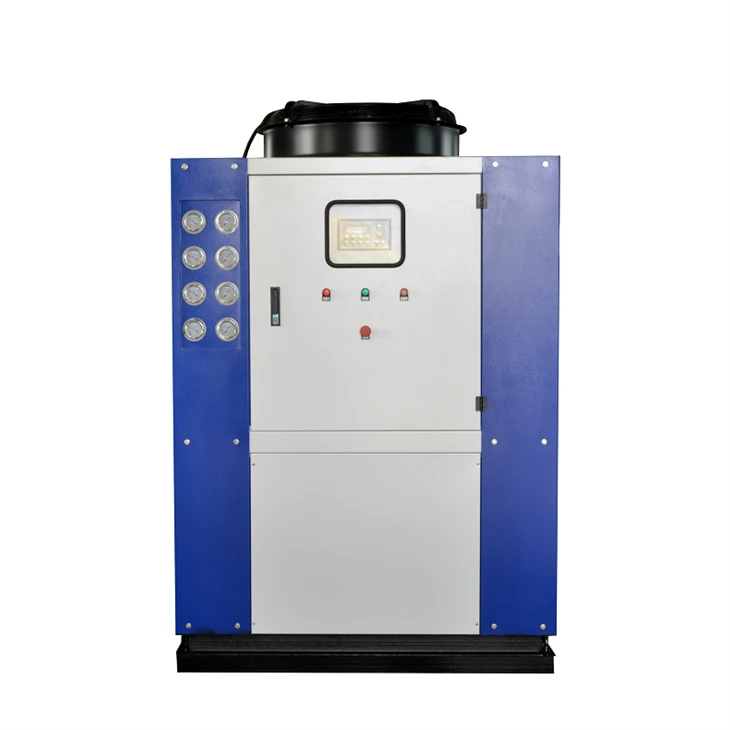
If you're interested in learning more about our industrial chillers or need help in choosing the right secondary refrigerant for your needs, don't hesitate to reach out. We're here to assist you with all your chiller - related questions and can even provide you with a customized solution. Check out our 8ton/26.8kw Chiller For vacuum coating and other products to see if they fit your requirements. Let's start a conversation and find the perfect chiller for your business!
References
- ASHRAE Handbook of Refrigeration
- Industrial Refrigeration Technology textbooks
- Research papers on secondary refrigerants in industrial applications


