

Hey there! I'm a supplier of Glycol Chillers, and I know firsthand how annoying and costly glycol leakage in a chiller can be. Not only does it lead to a loss of the coolant, which is expensive to replace, but it can also cause damage to the chiller and the surrounding equipment. In this blog post, I'll share some tips on how to prevent glycol leakage in a chiller, based on my experience in the industry.
Understanding the Causes of Glycol Leakage
Before we dive into the prevention methods, it's important to understand what causes glycol leakage in the first place. There are several common reasons:
- Worn Seals and Gaskets: Over time, the seals and gaskets in the chiller can wear out due to constant exposure to the glycol and the operating conditions. This can lead to small cracks or gaps, allowing the glycol to leak out.
- Corrosion: Glycol can be corrosive to certain metals, especially if the pH levels are not properly maintained. Corrosion can weaken the pipes and components in the chiller, leading to leaks.
- Vibration and Movement: The chiller may experience vibration and movement during operation, which can loosen connections and cause leaks. This is especially common in older chillers or those that are not properly installed.
- Improper Installation: If the chiller is not installed correctly, it can lead to stress on the pipes and components, increasing the risk of leakage. This includes issues such as improper alignment, over-tightening of connections, or using the wrong type of fittings.
Preventive Measures
Now that we know the causes, let's look at some preventive measures that you can take to avoid glycol leakage in your chiller.
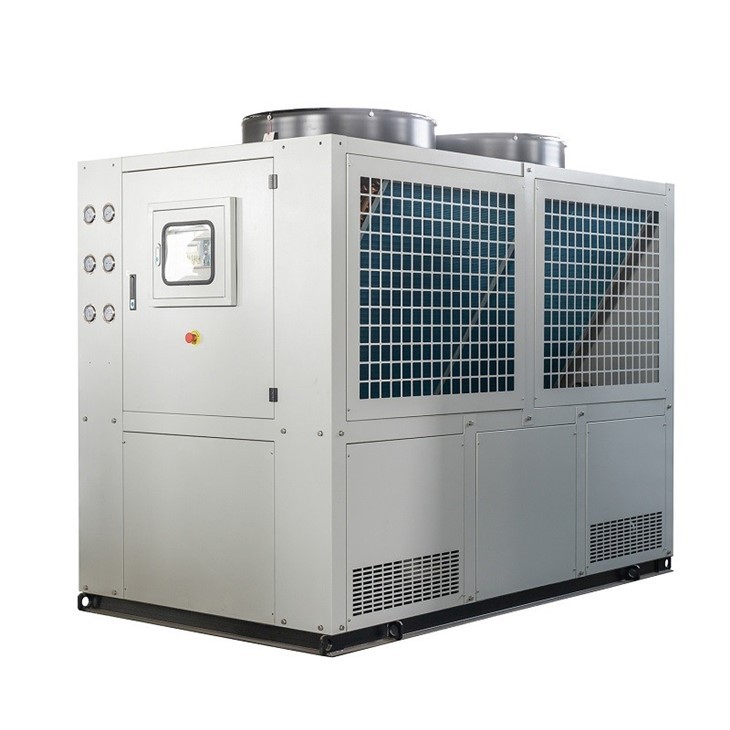

Regular Maintenance
- Inspect Seals and Gaskets: Regularly check the seals and gaskets in the chiller for signs of wear and tear. Replace any damaged or worn seals and gaskets immediately to prevent leaks.
- Monitor pH Levels: Keep an eye on the pH levels of the glycol in the chiller. The ideal pH range for glycol is typically between 7.0 and 9.0. If the pH levels are too low or too high, it can increase the risk of corrosion. Use a pH testing kit to check the levels regularly and adjust them as needed.
- Clean the Chiller: Regularly clean the chiller to remove any dirt, debris, or contaminants that may accumulate on the pipes and components. This can help prevent corrosion and ensure proper operation.
- Tighten Connections: Check all the connections in the chiller, including pipes, fittings, and valves, and make sure they are tight. However, be careful not to over-tighten, as this can also cause damage.
Proper Installation
- Use the Right Fittings: Make sure to use the correct type of fittings and connectors for the chiller. Using the wrong type of fittings can lead to leaks and other problems.
- Ensure Proper Alignment: During installation, ensure that the chiller is properly aligned and level. This can help prevent stress on the pipes and components and reduce the risk of leakage.
- Follow Manufacturer's Instructions: Always follow the manufacturer's instructions when installing the chiller. This includes proper installation procedures, recommended torque settings, and any other specific requirements.
Choose the Right Glycol
- Select High-Quality Glycol: Use a high-quality glycol that is specifically designed for use in chillers. Cheaper or lower-quality glycols may contain impurities or additives that can increase the risk of corrosion and leakage.
- Consider the Application: Different applications may require different types of glycol. For example, if you are using the chiller in a food or beverage application, you may need to use a food-grade glycol. Make sure to choose the right glycol for your specific application.
Monitor the Chiller
- Install Leak Detection Sensors: Consider installing leak detection sensors in the chiller. These sensors can detect even small leaks and alert you immediately, allowing you to take action before the problem gets worse.
- Regularly Check for Leaks: In addition to using leak detection sensors, regularly visually inspect the chiller for any signs of leakage. Look for wet spots, puddles, or discoloration around the pipes and components.
Our Glycol Chillers
At our company, we offer a range of high-quality Glycol Chillers that are designed to minimize the risk of glycol leakage. Our chillers are built with durable materials and advanced technology to ensure reliable and efficient operation.
- Air Cooled Glycol Water Chiller For 10bbl 20bbl Beer Brewing System: This chiller is specifically designed for beer brewing systems and offers excellent cooling performance. It features a compact design and is easy to install and maintain.
- 20KW Glycol Chiller For Cooling Beer: With a cooling capacity of 20KW, this chiller is ideal for larger beer brewing operations. It is energy-efficient and provides precise temperature control.
- 10HP Glycol Chiller For 10HL Brewery: This chiller is suitable for 10HL breweries and offers reliable cooling performance. It is built with high-quality components and is designed to withstand the rigors of continuous operation.
Contact Us
If you're interested in learning more about our Glycol Chillers or have any questions about preventing glycol leakage, please don't hesitate to contact us. We'd be happy to help you find the right chiller for your needs and provide you with any additional information or support.
References
- ASHRAE Handbook - HVAC Systems and Equipment.
- Chiller Manufacturer's Manuals.


