

As a provider of industrial chillers, I understand the significance of extending the lifespan of these essential pieces of equipment. Industrial chillers play a crucial role in various industries, from manufacturing to food processing, by maintaining optimal temperatures for machinery and processes. A longer lifespan not only saves costs on replacements but also ensures continuous and efficient operation. Here are some key strategies to help you get the most out of your industrial chiller.
Regular Maintenance and Inspections
One of the most fundamental steps in extending the lifespan of an industrial chiller is regular maintenance. This includes both routine checks and scheduled servicing. Regular inspections can help identify potential issues before they turn into major problems, saving you time and money in the long run.
- Cleaning the Condenser and Evaporator Coils: Over time, dirt, dust, and debris can accumulate on the condenser and evaporator coils, reducing their efficiency. Cleaning these coils at regular intervals, preferably every three to six months, can improve heat transfer and prevent the chiller from working harder than necessary. Use a soft brush or a low - pressure water spray to remove the build - up gently.
- Checking Refrigerant Levels: Proper refrigerant levels are essential for the efficient operation of an industrial chiller. Low refrigerant levels can cause the compressor to overwork, leading to premature wear and tear. Have a professional technician check the refrigerant levels regularly and recharge the system if needed.
- Inspecting Electrical Components: Electrical problems can cause significant damage to an industrial chiller. Check the wiring, connections, and control panels regularly for signs of wear, corrosion, or loose connections. Any issues should be addressed immediately by a qualified electrician.
- Lubricating Moving Parts: The compressor, fans, and pumps in an industrial chiller have moving parts that require lubrication to operate smoothly. Follow the manufacturer's recommendations for lubrication intervals and use the appropriate lubricants. This can reduce friction and wear on the components, extending their lifespan.
Optimal Installation and Location
The way an industrial chiller is installed and its location can have a significant impact on its lifespan.
- Proper Sizing and Installation: Ensure that the chiller is properly sized for your specific application. An undersized chiller will have to work harder to meet the cooling demands, while an oversized chiller may cycle on and off frequently, leading to increased wear. Additionally, proper installation by a professional is crucial. The chiller should be installed on a level surface, with adequate clearance around it for ventilation and maintenance.
- Ideal Location: Choose a location for the chiller that is well - ventilated and protected from extreme temperatures, humidity, and direct sunlight. High ambient temperatures can cause the chiller to work harder, reducing its efficiency and lifespan. Avoid installing the chiller near sources of dust, dirt, or chemicals, as these can contaminate the system.
Water Quality Management
For water - cooled industrial chillers, water quality is a critical factor in determining the lifespan of the equipment.
- Filtration: Install a high - quality water filtration system to remove impurities such as sediment, rust, and debris from the water. This can prevent clogging of the condenser and evaporator tubes, improving heat transfer and reducing the risk of corrosion.
- Chemical Treatment: Use appropriate water treatment chemicals to control the growth of algae, bacteria, and scale. Scale build - up on the heat exchanger surfaces can reduce heat transfer efficiency and cause the chiller to consume more energy. Chemical treatment should be carried out regularly, following the manufacturer's guidelines.
- Regular Water Testing: Conduct regular water testing to monitor the quality of the water in the chiller system. This can help you detect any changes in water chemistry and take corrective action before they cause damage to the equipment.
Operator Training and Best Practices
Proper operation of the industrial chiller is essential for its longevity.
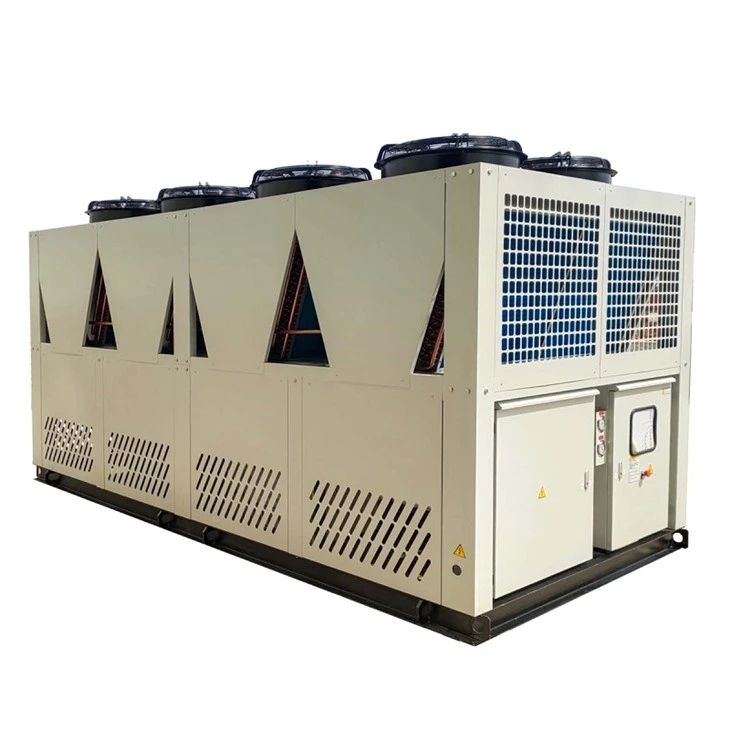
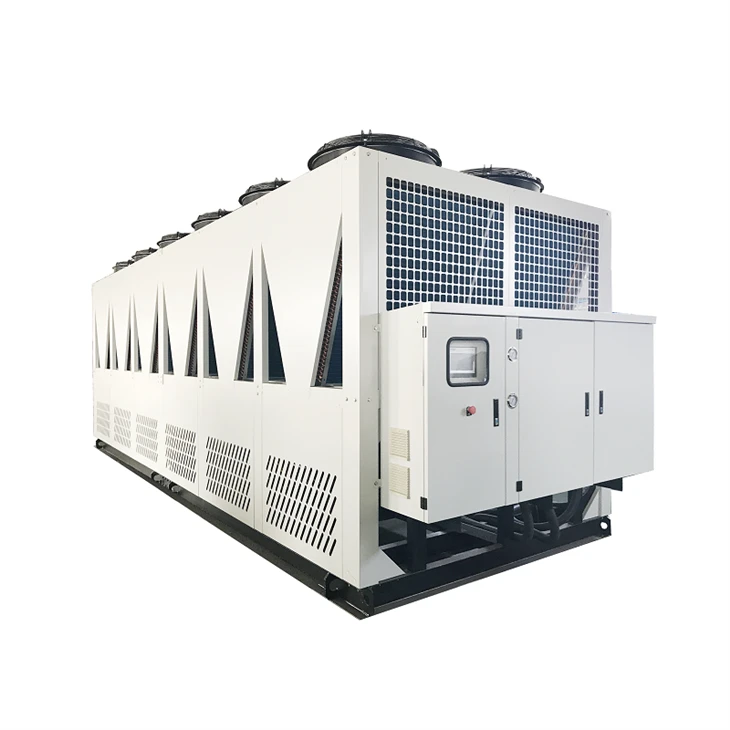
- Training: Provide comprehensive training to the operators of the chiller. They should be familiar with the operation, maintenance, and safety procedures of the equipment. This includes understanding how to read the control panel, adjust settings, and troubleshoot common problems.
- Following Best Practices: Encourage operators to follow best practices such as starting and stopping the chiller properly, avoiding sudden load changes, and keeping the chiller area clean. These simple practices can significantly reduce the stress on the chiller and extend its lifespan.
Upgrading and Retrofits
As technology advances, upgrading and retrofitting your industrial chiller can improve its performance and extend its lifespan.
- Energy - Efficient Components: Consider upgrading to energy - efficient components such as high - efficiency compressors, fans, and pumps. These components can reduce energy consumption and lower operating costs while also reducing the wear and tear on the chiller.
- Control System Upgrades: Upgrading the control system of the chiller can improve its accuracy and efficiency. Modern control systems can monitor and adjust the chiller's operation in real - time, optimizing its performance based on the actual cooling demands.
Monitoring and Data Analysis
Implement a monitoring system to track the performance of the industrial chiller. This can provide valuable insights into the chiller's operation and help you identify any potential issues early.
- Performance Metrics: Monitor key performance metrics such as temperature, pressure, energy consumption, and refrigerant levels. Analyze this data regularly to detect any trends or anomalies that may indicate a problem.
- Predictive Maintenance: Use data analysis and predictive maintenance techniques to anticipate when maintenance or repairs will be needed. This can help you schedule maintenance at the most appropriate time, minimizing downtime and extending the lifespan of the chiller.
In conclusion, extending the lifespan of an industrial chiller requires a comprehensive approach that includes regular maintenance, optimal installation, water quality management, operator training, upgrades, and monitoring. By implementing these strategies, you can ensure that your industrial chiller operates efficiently and reliably for many years to come.
If you are in the market for a new industrial chiller, we offer a wide range of high - quality products. Check out our 10HP - 240HP Chiller For Welding Machine, China Made Industrial Water Cooled Ul Certificate Screw Water Chiller, and Water Chiller For Cosmetics Industry. If you have any questions or would like to discuss your specific requirements, please feel free to contact us for a procurement negotiation.
References
- ASHRAE Handbook - HVAC Systems and Equipment. American Society of Heating, Refrigerating and Air - Conditioning Engineers.
- Industrial Chiller Manufacturer's Manuals. Various manufacturers.
- "Maintenance and Troubleshooting of Industrial Refrigeration Systems" by John Doe. Published by Industrial Refrigeration Press.


