

Can a glycol chiller be used in a laboratory? That's a question I get asked a lot as a supplier of glycol chillers. And the short answer is yes, absolutely! But let's dig deeper into this topic and explore why a glycol chiller can be a great addition to a laboratory setting.
First off, let's talk about what a glycol chiller is. Essentially, it's a cooling system that uses a mixture of water and glycol as the refrigerant. Glycol is added to the water to lower its freezing point, which allows the system to operate at lower temperatures without the risk of the coolant freezing. This makes glycol chillers ideal for applications where precise temperature control is required, especially in environments where the temperature needs to be kept below the freezing point of water.
In a laboratory, maintaining a stable and controlled temperature is crucial for a variety of reasons. Many scientific experiments and processes are highly sensitive to temperature fluctuations. For example, in biochemical research, enzymes and proteins can lose their activity if the temperature is not kept within a narrow range. Similarly, in microbiology, the growth rate and behavior of microorganisms can be significantly affected by temperature.
A glycol chiller can provide the precise temperature control needed for these types of experiments. It can cool down samples, equipment, or entire rooms to the exact temperature required, ensuring that the results of the experiments are accurate and reproducible. Whether you're working with cell cultures, conducting chemical reactions, or running chromatography systems, a glycol chiller can help you maintain the optimal temperature for your work.
Another advantage of using a glycol chiller in a laboratory is its flexibility. Glycol chillers come in a variety of sizes and capacities, so you can choose the one that best suits your specific needs. If you have a small laboratory with limited space, you might opt for a compact, benchtop glycol chiller. On the other hand, if you have a large research facility with multiple pieces of equipment that need to be cooled, you can go for a larger, industrial-grade glycol chiller.
Let's take a look at some of the specific applications of glycol chillers in a laboratory:
1. Cooling of laboratory equipment
Many types of laboratory equipment generate a significant amount of heat during operation. This includes things like lasers, PCR machines, and high-power microscopes. If this heat is not removed, it can damage the equipment and affect its performance. A glycol chiller can be used to cool these devices, ensuring their longevity and reliability. For example, the 20KW Glycol Chiller For Cooling Beer can also be adapted for cooling large laboratory equipment due to its high cooling capacity.
2. Temperature control in incubators
Incubators are used to provide a controlled environment for the growth of cells, tissues, and microorganisms. A glycol chiller can be integrated with an incubator to maintain a constant temperature inside, which is essential for the proper growth and development of these biological samples.
3. Cryogenic applications
In some laboratories, there is a need for extremely low temperatures, such as in cryogenic research or the storage of biological samples at ultra-low temperatures. Glycol chillers can be used in combination with other cooling systems to achieve these low temperatures.
4. Cooling of reaction vessels
In chemical and biochemical experiments, reaction vessels often need to be cooled to control the rate of reaction or to prevent unwanted side reactions. A glycol chiller can be used to circulate a cooled glycol solution around the reaction vessel, providing precise temperature control.
Now, let's talk about some of the factors you need to consider when choosing a glycol chiller for your laboratory:
1. Cooling capacity
The cooling capacity of the glycol chiller is one of the most important factors to consider. You need to make sure that the chiller can provide enough cooling power to meet the requirements of your laboratory. This will depend on the size of the area you need to cool, the heat load generated by your equipment, and the desired temperature range.
2. Temperature range
Different applications may require different temperature ranges. Make sure the glycol chiller you choose can operate within the temperature range you need. Some glycol chillers can achieve temperatures as low as -40°C or even lower.
3. Energy efficiency
In a laboratory, energy costs can be a significant expense. Look for a glycol chiller that is energy-efficient to help reduce your operating costs. Many modern glycol chillers are designed with energy-saving features such as variable-speed compressors and intelligent control systems.
4. Noise level
In a laboratory environment, noise can be a distraction. Choose a glycol chiller that operates quietly, especially if it will be located in a room where people are working.
5. Maintenance requirements
Like any piece of equipment, a glycol chiller requires regular maintenance to ensure its proper operation. Consider the maintenance requirements of the chiller before making a purchase. Look for a chiller that is easy to maintain and has a reliable service network.

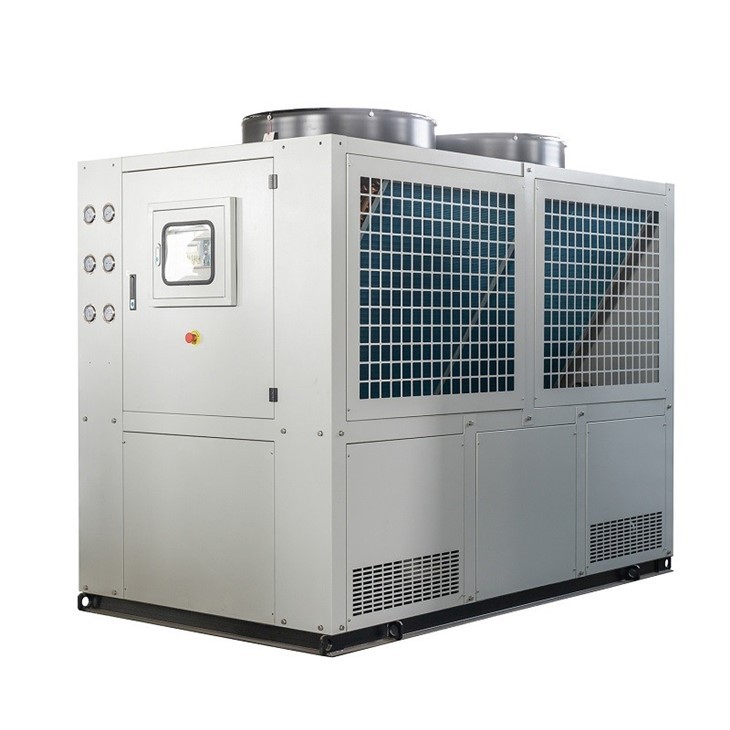
As a glycol chiller supplier, I've seen firsthand the benefits that these systems can bring to a laboratory. We offer a wide range of glycol chillers, including the Air Cooled Glycol Water Chiller For 10bbl 20bbl Beer Brewing System and the 10HP Glycol Chiller For 10HL Brewery, which can also be customized for laboratory use. Our chillers are designed to be reliable, energy-efficient, and easy to operate, making them a great choice for any laboratory.
If you're interested in learning more about how a glycol chiller can benefit your laboratory or if you have any questions about our products, don't hesitate to get in touch. We're here to help you find the right cooling solution for your specific needs. Contact us today to start a discussion about your requirements and explore the possibilities of using a glycol chiller in your laboratory.
References
- ASHRAE Handbook of Fundamentals. American Society of Heating, Refrigerating and Air-Conditioning Engineers.
- Laboratory Equipment and Technology Guide. Various industry publications.


