

Can a Glycol Chiller Be Used in a Chemical Plant?
As a supplier of glycol chillers, I often get asked whether our products can be used in chemical plants. The answer is a resounding yes, and in this blog post, I'll explore the reasons why glycol chillers are a great fit for chemical manufacturing facilities, the specific applications, and the benefits they offer.

Understanding Glycol Chillers
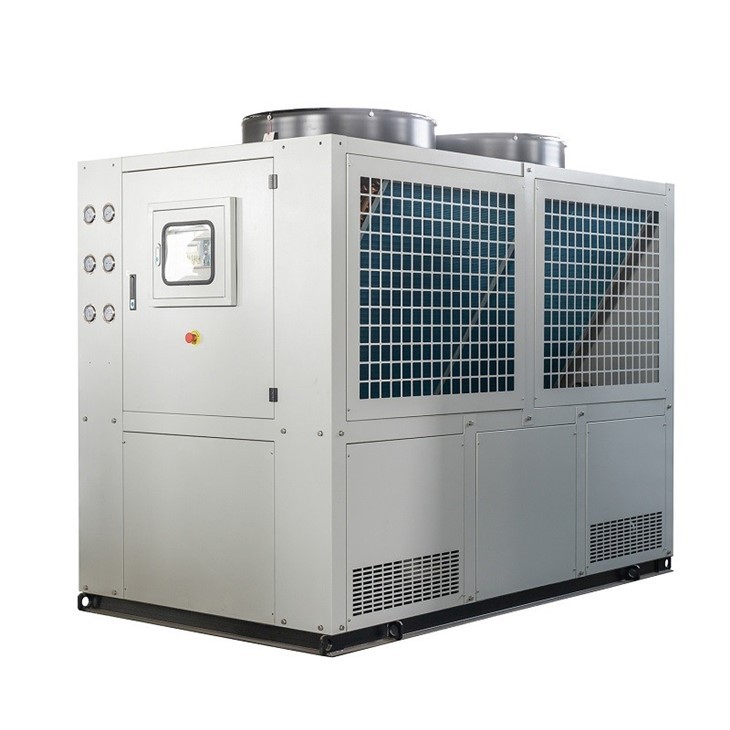
Before delving into their use in chemical plants, let's briefly understand what glycol chillers are. A glycol chiller is a refrigeration system that uses a mixture of glycol and water as a coolant. Glycol, typically ethylene or propylene glycol, is added to water to lower its freezing point and prevent it from solidifying at low temperatures. This mixture is circulated through a cooling system to remove heat from a process or equipment.
The basic components of a glycol chiller include a compressor, condenser, evaporator, and expansion valve. The compressor pressurizes the refrigerant, which then releases heat in the condenser. The cooled refrigerant then passes through the expansion valve and enters the evaporator, where it absorbs heat from the glycol-water mixture. The cooled glycol-water mixture is then circulated through the process or equipment that needs to be cooled.
Applications of Glycol Chillers in Chemical Plants
Chemical plants are complex facilities that involve a wide range of processes, many of which generate significant amounts of heat. Glycol chillers can be used in various applications within these plants to maintain optimal operating temperatures and ensure the efficiency and safety of chemical processes. Here are some common applications:
- Reactor Cooling: Chemical reactions often produce heat, and if not properly managed, this heat can lead to unwanted side reactions, reduced product quality, or even safety hazards. Glycol chillers can be used to cool reactors by circulating the chilled glycol-water mixture through jackets or coils around the reactor vessel. This helps to maintain the reaction temperature within the desired range and ensures the stability and efficiency of the reaction.
- Distillation Column Cooling: Distillation is a common separation process used in chemical plants to purify liquids by separating them based on their boiling points. During distillation, the vaporized components are condensed back into liquid form. Glycol chillers can be used to provide the necessary cooling for the condensers in distillation columns, ensuring efficient separation and high-quality product output.
- Exothermic Process Cooling: Some chemical processes are exothermic, meaning they release heat. Examples include polymerization reactions and the production of certain chemicals. Glycol chillers can be used to remove the excess heat generated during these processes, preventing overheating and maintaining the stability of the reaction.
- Equipment Cooling: Chemical plants are equipped with a variety of machinery and equipment, such as pumps, compressors, and motors, which generate heat during operation. Glycol chillers can be used to cool these equipment by circulating the chilled glycol-water mixture through heat exchangers or cooling jackets, extending their lifespan and reducing the risk of breakdowns.
Benefits of Using Glycol Chillers in Chemical Plants
There are several benefits to using glycol chillers in chemical plants, making them an ideal choice for temperature control in these facilities:
- Precise Temperature Control: Glycol chillers offer precise temperature control, allowing chemical plants to maintain the exact temperature required for their processes. This ensures consistent product quality and reduces the likelihood of costly production errors.
- Low Freezing Point: The addition of glycol to water lowers its freezing point, making it suitable for use in cold environments or processes that require sub-zero temperatures. This eliminates the risk of the coolant freezing and causing damage to the equipment.
- Corrosion Resistance: Glycol has anti-corrosive properties, which helps to protect the chiller system and the equipment it cools from corrosion. This extends the lifespan of the equipment and reduces maintenance costs.
- Energy Efficiency: Modern glycol chillers are designed to be energy-efficient, using advanced technologies such as variable speed drives and intelligent control systems. This helps to reduce energy consumption and operating costs.
- Flexibility: Glycol chillers can be customized to meet the specific needs of different chemical processes and applications. They can be designed to handle a wide range of cooling capacities and temperature requirements, making them suitable for use in various types of chemical plants.
Our Glycol Chiller Solutions for Chemical Plants
As a leading supplier of glycol chillers, we offer a wide range of products that are specifically designed for use in chemical plants. Our chillers are built to the highest standards of quality and reliability, and they are equipped with advanced features to ensure optimal performance and energy efficiency.
One of our popular products is the 10HP Glycol Chiller For 10HL Brewery, which is suitable for small to medium-sized chemical plants. This chiller offers a cooling capacity of 10 horsepower and is designed to provide precise temperature control for a variety of processes.
For larger chemical plants, we offer the Air Cooled Glycol Water Chiller For 10bbl 20bbl Beer Brewing System, which has a higher cooling capacity and is suitable for more demanding applications. This chiller uses air-cooled technology, which is energy-efficient and easy to install.
We also offer the 20KW Glycol Chiller For Cooling Beer, which is a high-performance chiller that is designed to provide efficient cooling for large-scale chemical processes. This chiller offers a cooling capacity of 20 kilowatts and is equipped with advanced features such as variable speed drives and intelligent control systems.
Conclusion
In conclusion, glycol chillers are an excellent choice for use in chemical plants. They offer precise temperature control, low freezing point, corrosion resistance, energy efficiency, and flexibility, making them suitable for a wide range of applications. As a supplier of glycol chillers, we are committed to providing our customers with high-quality products and excellent customer service. If you are interested in learning more about our glycol chiller solutions for chemical plants, or if you have any questions or concerns, please don't hesitate to contact us. We look forward to working with you to meet your temperature control needs.
References
- ASHRAE Handbook - Refrigeration. American Society of Heating, Refrigerating and Air-Conditioning Engineers.
- Chemical Engineering Handbook. McGraw-Hill Education.
- Refrigeration and Air Conditioning Technology. Pearson Education.


