

Glycol chillers are essential pieces of equipment in various industries, known for their ability to cool fluids efficiently. One common question we often encounter as a glycol chiller supplier is, "Can a glycol chiller be used for outdoor applications?" The answer is yes, but with several important considerations.
Suitability of Glycol Chillers for Outdoor Use
Benefits of Outdoor Installation
Installing a glycol chiller outdoors can offer several advantages. Firstly, it saves valuable indoor space, which can be crucial in settings like breweries or small industrial facilities where floor space is at a premium. Outdoor installation can also simplify the ventilation process. Since glycol chillers generate heat during operation, they need proper ventilation to function efficiently. Placing them outdoors allows for natural airflow, eliminating the need for complex indoor ventilation systems.
Another benefit is noise reduction indoors. Glycol chillers can produce a significant amount of noise during operation. By locating them outside the building, the noise impact on the indoor environment is minimized, creating a more comfortable working or living space.

Considerations for Outdoor Use
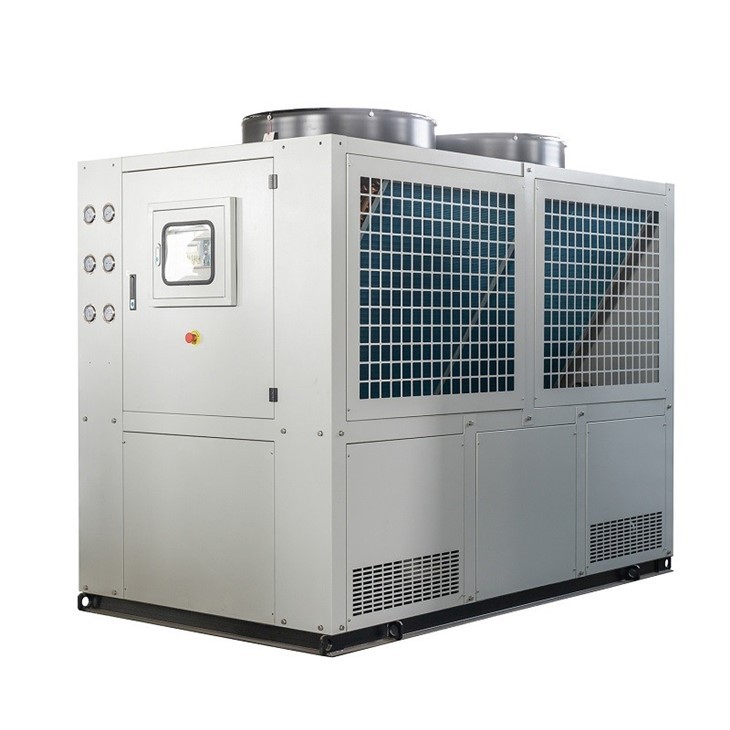
However, using a glycol chiller outdoors also presents some challenges that need to be addressed. The first and most obvious is the weather. Exposure to rain, snow, extreme temperatures, and sunlight can affect the performance and lifespan of the chiller. To mitigate these effects, glycol chillers for outdoor use should be designed with appropriate weather - proofing. This often includes features such as a durable outer casing that can withstand the elements, and proper insulation to protect internal components from temperature fluctuations.
For example, in regions with high humidity, moisture can cause corrosion on metal parts. A well - constructed outdoor glycol chiller should have anti - corrosion coatings on sensitive components. In areas prone to heavy snowfall, the chiller needs to be installed in a way that snow does not accumulate on critical parts, which could impede its operation.
Temperature and Climate
The ambient temperature also plays a significant role in the performance of an outdoor glycol chiller. In extremely hot climates, the chiller may have to work harder to achieve the desired cooling effect, which can lead to increased energy consumption and potential wear and tear on the system. Conversely, in very cold climates, the glycol solution in the chiller may freeze if not properly formulated. A glycol solution with a lower freezing point should be used in colder environments to ensure continuous operation.
Applications of Outdoor Glycol Chillers
Breweries
Breweries are one of the most common industries that use outdoor glycol chillers. Cooling is a critical process in brewing, from fermenting the beer to storing it at the right temperature. 10HP Glycol Chiller For 10HL Brewery is an excellent choice for small to medium - sized breweries. Placing the chiller outdoors allows the brewery to utilize indoor space more effectively for other brewing processes. The outdoor chiller can cool the glycol solution, which is then circulated through the brewing equipment to maintain the ideal temperature for fermentation and storage.
Food and Beverage Industry
In the food and beverage industry, outdoor glycol chillers are used to cool various products and processes. For example, in a dairy processing plant, the chiller can be used to cool milk during storage and processing. The 20KW Glycol Chiller For Cooling Beer can also be adapted for other beverage - cooling applications. Outdoor installation in this industry is beneficial as it allows for easy access to the chiller for maintenance and upgrades without disrupting the indoor production process.
Industrial Cooling
Many industrial processes require cooling, and outdoor glycol chillers can meet these needs. In manufacturing plants, they can be used to cool machinery and equipment to prevent overheating. The Air Cooled Glycol Water Chiller For 10bbl 20bbl Beer Brewing System can also be applied in industrial settings where air - cooled systems are preferred. By installing the chiller outdoors, industrial facilities can ensure that their production processes run smoothly without the need for large indoor cooling systems.
Maintenance of Outdoor Glycol Chillers
Regular Inspections
Regular inspections are crucial for outdoor glycol chillers. This includes checking the outer casing for any signs of damage, such as cracks or dents that could allow water or debris to enter the system. The electrical components should also be inspected for signs of corrosion or loose connections, as these can lead to malfunctions or safety hazards.
Cleaning
The condenser coils of the chiller can accumulate dirt, dust, and debris over time, especially in an outdoor environment. This reduces the efficiency of the chiller and can increase energy consumption. Regular cleaning of the condenser coils is necessary to maintain optimal performance. Additionally, the glycol solution should be checked and topped up as needed, and its quality should be monitored to ensure proper heat transfer.
Selecting the Right Outdoor Glycol Chiller
Capacity
When choosing an outdoor glycol chiller, capacity is a key factor. It is essential to determine the cooling load required for your specific application. This involves calculating the amount of heat that needs to be removed from the process. An undersized chiller will not be able to meet the cooling demand, while an oversized chiller will consume more energy than necessary.
Type
There are different types of glycol chillers available, such as air - cooled and water - cooled. Air - cooled chillers are more suitable for outdoor use as they do not require a separate water source for cooling. They are also easier to install and maintain in an outdoor setting. However, water - cooled chillers may be more efficient in some cases, especially in large - scale applications where water is readily available and can be reused.
Conclusion
In conclusion, a glycol chiller can indeed be used for outdoor applications, and it offers many benefits such as space - saving, noise reduction, and simplified ventilation. However, it is important to take into account factors like weather protection, temperature, and proper maintenance. Whether you are in the brewery, food and beverage, or industrial sector, our company offers a range of high - quality glycol chillers suitable for outdoor use, like the ones mentioned above.
If you are interested in learning more about our glycol chillers or would like to discuss your specific requirements, feel free to contact us for a detailed consultation and procurement negotiation. We are committed to providing you with the best - fitting cooling solutions for your needs.
References
- ASHRAE Handbook - HVAC Systems and Equipment. American Society of Heating, Refrigerating and Air - Conditioning Engineers.
- Industrial Refrigeration Handbook. CRC Press.


