

In the realm of refrigeration and cold storage solutions, one question that often arises is whether a cold room can be effectively utilized in a cold climate. As a well - established cold room supplier, I've encountered this query numerous times from clients across various industries. In this blog, I'll delve into the technical aspects, practical applications, and economic viability of using cold rooms in cold climates.
Technical Feasibility
The fundamental principle of a cold room is to maintain a specific low temperature regardless of the external environment. Cold rooms are equipped with refrigeration systems that extract heat from the interior space and expel it outside. In a cold climate, one might assume that the external cold would assist in maintaining the low temperature inside the cold room, reducing the workload on the refrigeration system.
However, it's not as straightforward as it seems. Cold rooms are designed to operate within a certain range of external temperatures. While a cold climate can indeed reduce the heat load on the refrigeration system, extremely low temperatures can also pose challenges. For instance, refrigerants used in the cooling systems have specific operating temperature ranges. If the external temperature drops too low, the refrigerant may not function optimally, leading to reduced cooling efficiency.
Moreover, the insulation of the cold room plays a crucial role. In cold climates, high - quality insulation is essential to prevent heat transfer from the outside. Our cold rooms are constructed with advanced insulation materials that have excellent thermal resistance. This ensures that even in sub - zero temperatures, the cold room can maintain a stable internal temperature.
Practical Applications
Cold rooms have a wide range of applications, regardless of the climate. In colder regions, industries such as food processing, pharmaceuticals, and agriculture still require cold storage facilities to preserve their products.
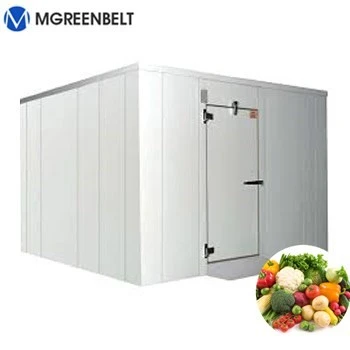
Food processing companies need cold rooms to store raw materials, intermediate products, and finished goods. Positive Temperature Walk in Cooler For Vegetable is an ideal solution for vegetable storage. It allows the products to be stored at a positive temperature, preventing spoilage and extending their shelf life. Even in cold climates, where the outside temperature may be low, the internal temperature of the cold room needs to be carefully controlled to meet the specific requirements of different food items.
Pharmaceutical companies also rely on cold rooms to store temperature - sensitive drugs and vaccines. These products often need to be stored at a precise temperature range to maintain their efficacy. In a cold climate, the cold room provides a stable environment that is not affected by the natural temperature fluctuations outside.
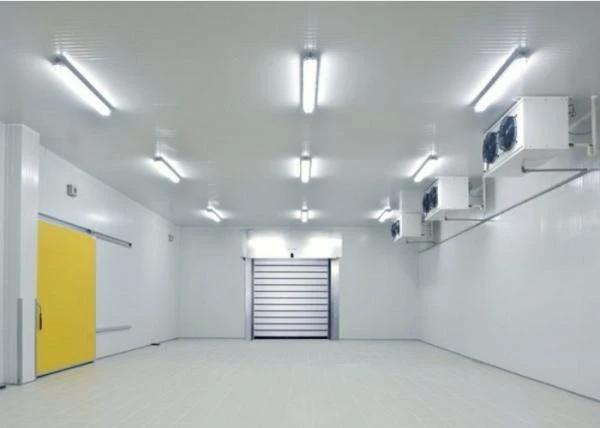
In the agricultural sector, cold rooms are used to store harvested crops. A Commercial 100 Tons Cold Storage Room Walk in Cooler can handle large volumes of produce, protecting it from freezing or spoiling. This is particularly important in cold climates, where sudden changes in temperature can be detrimental to the quality of the crops.
Economic Considerations
From an economic perspective, using a cold room in a cold climate can have both advantages and disadvantages. On the one hand, the reduced heat load on the refrigeration system can lead to lower energy consumption. This means that the operational costs of running the cold room are likely to be lower compared to using it in a warmer climate.
On the other hand, the initial investment in a cold room designed for cold climates may be higher. This is because it requires more advanced insulation materials and a refrigeration system that can operate efficiently in low temperatures. However, in the long run, the savings on energy costs can offset the higher initial investment.
Another economic factor to consider is the potential for government incentives. In some cold - climate regions, governments may offer subsidies or tax breaks for businesses that use energy - efficient cold storage solutions. This can further reduce the overall cost of operating a cold room.
Maintenance and Monitoring
Proper maintenance and monitoring are essential for the effective operation of a cold room in a cold climate. Regular maintenance of the refrigeration system, including checking the refrigerant levels, cleaning the condensers, and inspecting the electrical components, is crucial. In cold climates, there is also a risk of ice formation on the exterior of the cold room, which can affect its performance. Therefore, it's important to have a maintenance plan in place to prevent and address such issues.
Monitoring the internal temperature of the cold room is also vital. Our cold rooms are equipped with advanced temperature monitoring systems that allow clients to keep track of the temperature in real - time. This ensures that any temperature fluctuations can be detected and corrected immediately, preventing damage to the stored products.
Case Studies
Let's take a look at some real - world examples of cold rooms being used in cold climates. A dairy farm in a northern region installed a Commercial Cold Room Storage to store its milk products. Despite the cold outside temperatures, the cold room maintained a consistent temperature, ensuring the quality of the milk. The farm was able to reduce its energy costs by up to 30% compared to using a traditional storage method.
A pharmaceutical company in a cold mountainous area used a cold room to store vaccines. The cold room's advanced insulation and temperature control system provided a stable environment, protecting the vaccines from the extreme cold and temperature variations outside. This helped the company comply with strict regulatory requirements for vaccine storage.
Conclusion
In conclusion, a cold room can definitely be used in a cold climate. While there are some technical challenges and considerations, with the right design, equipment, and maintenance, a cold room can provide a reliable and cost - effective cold storage solution. Whether you're in the food, pharmaceutical, or agricultural industry, a cold room can help you preserve your products and maintain their quality.
If you're interested in exploring cold room solutions for your business, we'd love to have a conversation. We have a team of experts who can provide customized solutions based on your specific requirements. Reach out to us to start the procurement and negotiation process, and take the first step towards efficient cold storage for your business.
References
- ASHRAE Handbook of Refrigeration. American Society of Heating, Refrigerating and Air - Conditioning Engineers.
- International Institute of Refrigeration. "Guides for Refrigerated Food Storage."


