

Can a cold room be used for storing food? This is a question that many people, especially those in the food industry, often ask. As a cold room supplier, I have extensive knowledge and experience in this area, and I'm here to provide you with a comprehensive answer.
The Basics of Cold Room Storage for Food
Cold rooms are indeed an excellent solution for storing food. The fundamental principle behind using a cold room for food storage is based on the fact that low temperatures slow down the growth of microorganisms, such as bacteria, yeast, and molds, which are the primary causes of food spoilage. By keeping food at a low temperature, we can significantly extend its shelf - life, maintain its quality, and reduce the risk of foodborne illnesses.
When food is stored at room temperature, the warm environment provides an ideal breeding ground for these microorganisms. They multiply rapidly, breaking down the food's structure, altering its taste, texture, and nutritional value. In contrast, a cold room can maintain a temperature range that inhibits the growth of these harmful organisms. For example, most fresh produce can be stored at temperatures between 0 - 5°C, while frozen foods require temperatures below -18°C.
Types of Food Suitable for Cold Room Storage
- Fresh Produce: Fruits and vegetables are highly perishable and require careful storage. A cold room can help preserve their freshness, color, and nutritional content. For instance, apples can be stored in a cold room for several months without significant loss of quality. Leafy greens, such as lettuce and spinach, also benefit from cold storage as it slows down wilting and the growth of spoilage organisms.
- Meat and Poultry: These protein - rich foods are prone to bacterial growth. Cold storage at appropriate temperatures can prevent the growth of pathogens like Salmonella and E. coli. For fresh meat, a temperature of around 1 - 4°C is recommended, while frozen meat should be kept at -18°C or lower.
- Dairy Products: Milk, cheese, and yogurt are all dairy products that need to be stored at low temperatures. A cold room can maintain the quality of these products by preventing the growth of spoilage bacteria and maintaining their texture and flavor. For example, cheese can be stored at a temperature of 4 - 8°C, depending on the type.
- Seafood: Fish and shellfish are extremely perishable. Cold storage is essential to prevent the growth of bacteria and to maintain their freshness. Fresh seafood should be stored at temperatures close to 0°C, while frozen seafood requires sub - zero temperatures.
Advantages of Using a Cold Room for Food Storage
- Extended Shelf - Life: As mentioned earlier, cold storage significantly extends the shelf - life of food. This means that food businesses can reduce waste and have a more stable supply of products. For example, a restaurant can store a larger quantity of fresh produce without worrying about it spoiling quickly.
- Quality Maintenance: Cold rooms help maintain the quality of food in terms of taste, texture, and nutritional value. This is crucial for food businesses that want to provide high - quality products to their customers. For instance, a bakery can store its ingredients in a cold room to ensure that the final products have the best possible taste and texture.
- Food Safety: By inhibiting the growth of harmful microorganisms, cold rooms play a vital role in ensuring food safety. This is especially important for businesses that handle large quantities of food, such as supermarkets and food processing plants.
- Cost - Efficiency: Although the initial investment in a cold room can be significant, in the long run, it can be cost - effective. By reducing food waste and extending the shelf - life of products, businesses can save money on purchasing new inventory.
Considerations When Using a Cold Room for Food Storage
- Temperature Control: Maintaining the correct temperature is crucial. Fluctuations in temperature can lead to the growth of microorganisms and spoilage of food. A reliable cold room should have a precise temperature control system to ensure that the temperature remains within the desired range.
- Humidity Control: In addition to temperature, humidity also affects food storage. Some foods, like fresh produce, require a certain level of humidity to prevent drying out. On the other hand, high humidity can promote the growth of mold on some foods. A good cold room should be able to control humidity levels as well.
- Proper Ventilation: Adequate ventilation is necessary to remove odors, moisture, and carbon dioxide from the cold room. This helps maintain a healthy environment for food storage and prevents the growth of mold and mildew.
- Cleaning and Sanitation: Regular cleaning and sanitation of the cold room are essential to prevent the buildup of dirt, debris, and microorganisms. This includes cleaning the floors, walls, and shelves, as well as disinfecting the equipment.
Our Cold Room Solutions
As a cold room supplier, we offer a wide range of cold room solutions suitable for different types of food storage needs. Our Commercial 100 Tons Cold Storage Room Walk in Cooler is ideal for large - scale food businesses, such as supermarkets and food processing plants. It has a high - capacity storage area and advanced temperature control systems to ensure the safe storage of large quantities of food.

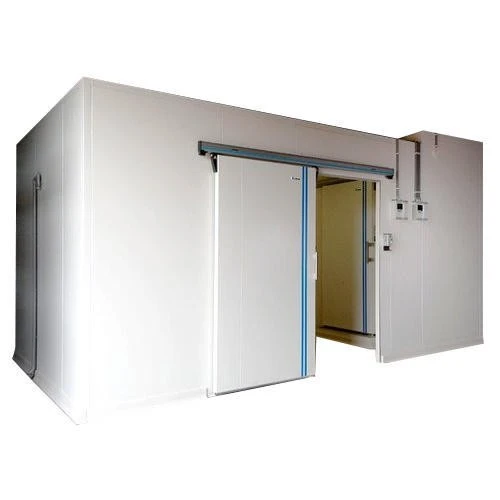
For smaller businesses, our Commercial Cold Room Storage provides a cost - effective solution. It is designed to meet the needs of restaurants, cafes, and small grocery stores. These cold rooms are easy to install and operate, and they offer reliable performance.
If you are looking for an industrial - grade cold room, our Industrial Cold Storage Room With 100mm PU Panels is a great choice. The 100mm PU panels provide excellent insulation, which helps maintain a stable temperature inside the cold room and reduces energy consumption.
Conclusion
In conclusion, a cold room is an excellent option for storing food. It offers numerous advantages, including extended shelf - life, quality maintenance, food safety, and cost - efficiency. However, it is essential to consider factors such as temperature control, humidity control, ventilation, and cleaning when using a cold room for food storage.
If you are in the food industry and are looking for a reliable cold room solution, we are here to help. Our team of experts can provide you with professional advice and customized solutions based on your specific needs. Contact us today to start a discussion about your cold room requirements and let us help you find the perfect solution for your food storage needs.
References
- "Food Storage and Preservation" by the Food and Agriculture Organization of the United Nations.
- "Principles of Food Science" by Owen R. Fennema.
- "Food Microbiology" by James M. Jay, Martin J. Loessner, and David A. Golden.


