

As a supplier of cold room doors, I often get asked about the water resistance of these essential components. Cold rooms are used in a variety of industries, from food storage to pharmaceutical facilities, and the ability of the doors to resist water is crucial for maintaining the integrity of the cold storage environment. In this blog post, I'll delve into what water resistance means for cold room doors, the factors that affect it, and why it's so important.
Understanding Water Resistance in Cold Room Doors
Water resistance refers to a material's ability to prevent the penetration of water under normal use conditions. For cold room doors, this means keeping water from seeping into the cold room, which could lead to a range of problems. Water can cause corrosion of the door's structural components, damage the insulation, and promote the growth of mold and mildew. All of these issues can compromise the performance of the cold room, increase energy consumption, and potentially contaminate the stored products.
The water resistance of a cold room door is typically measured in terms of its ability to withstand water pressure and prevent water ingress. This is often tested using standardized methods that simulate real - world conditions. For example, a door might be subjected to a certain amount of water spray or immersion to evaluate how well it holds up.
Factors Affecting Water Resistance
Door Material
The choice of material plays a significant role in the water resistance of a cold room door. Common materials used for cold room doors include stainless steel, aluminum, and various types of plastics. Stainless steel is highly resistant to corrosion and water damage, making it an excellent choice for environments where water exposure is likely. Aluminum is also a popular option due to its lightweight and corrosion - resistant properties. However, it may require a protective coating to enhance its water resistance.
Plastic materials can vary in their water - resistant capabilities. Some high - quality plastics are designed to be waterproof and can provide good insulation as well. For example, polyurethane foam is often used as an insulating core in cold room doors, and when combined with a water - resistant outer layer, it can offer excellent protection against water.
Sealing Mechanisms
Proper sealing is essential for water resistance. Cold room doors are typically equipped with gaskets or seals around the edges to prevent air and water from leaking in. These seals are made from materials such as rubber or silicone, which are flexible and can form a tight seal when the door is closed. The quality of the seal and its installation are critical factors. A poorly installed or damaged seal can allow water to seep into the cold room, even if the door material is otherwise water - resistant.
Design and Construction
The design of the cold room door also affects its water resistance. Doors with a sloped top or a drip edge can help direct water away from the door and prevent it from pooling around the edges. Additionally, the construction of the door, including how the different components are joined together, can impact its ability to keep water out. For example, doors with welded seams are generally more water - resistant than those with bolted or screwed joints, as welded joints are less likely to have gaps where water can enter.
Importance of Water Resistance
Protecting the Cold Room Environment
Water can have a detrimental effect on the cold room environment. If water seeps into the insulation, it can reduce its effectiveness, leading to higher energy consumption as the cold room has to work harder to maintain the desired temperature. Water can also cause rust and corrosion of the metal components inside the cold room, which can weaken the structure and lead to premature failure.
Preventing Product Contamination
In industries such as food and pharmaceuticals, maintaining a clean and dry environment is essential to prevent product contamination. Water can introduce bacteria, mold, and other contaminants into the cold room, which can spoil the stored products and pose a risk to public health. A water - resistant cold room door helps to keep the interior environment clean and dry, protecting the quality and safety of the products.
Long - Term Cost Savings
Investing in a water - resistant cold room door can lead to long - term cost savings. By preventing water damage, the door will have a longer lifespan, reducing the need for frequent replacements. Additionally, the energy savings from maintaining efficient insulation can add up over time, offsetting the initial cost of the door.
Our Product Range and Water Resistance
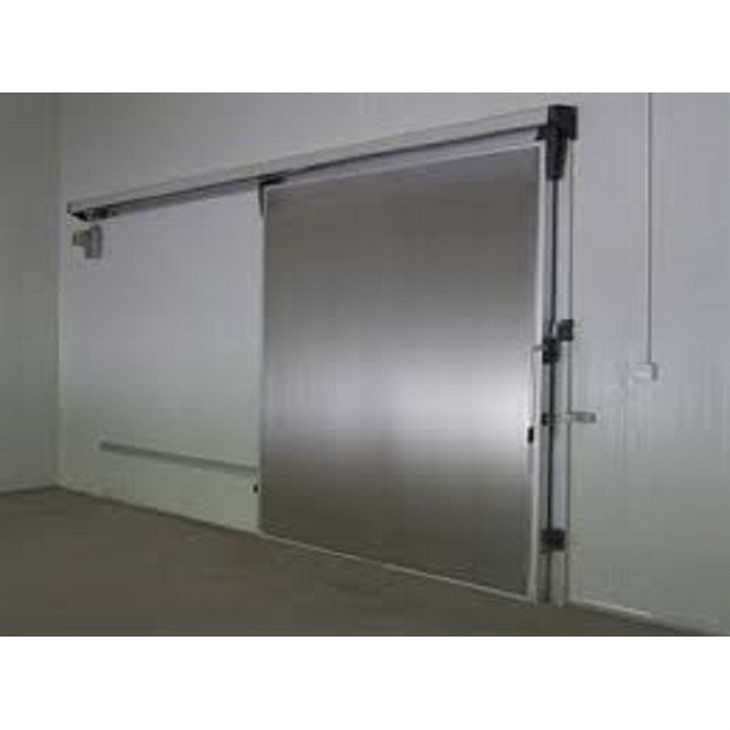
At our company, we offer a wide range of cold room doors, each designed with water resistance in mind. Our Manual And Electric Sliding Doors are constructed using high - quality materials and feature advanced sealing mechanisms to ensure maximum water protection. The stainless - steel frames and durable gaskets provide a reliable barrier against water ingress, even in high - humidity environments.
Our Hinged Swing Door for Cold Room is another popular option. These doors are designed with a tight - fitting seal and a robust construction that resists water penetration. The sloped top design helps to direct water away from the door, further enhancing its water - resistant properties.
Testing and Certification
To ensure the water resistance of our cold room doors, we conduct rigorous testing. Our doors are tested in accordance with industry standards to verify their performance under different water - exposure conditions. We also work towards obtaining relevant certifications, which provide assurance to our customers that our products meet the highest quality and safety standards.
Conclusion
The water resistance of a cold room door is a critical factor that should not be overlooked. It is essential for protecting the cold room environment, preventing product contamination, and achieving long - term cost savings. As a supplier of cold room doors, we are committed to providing high - quality products that offer excellent water resistance. Our range of manual and electric sliding doors, as well as hinged swing doors, are designed and tested to meet the demanding requirements of various industries.
If you are in the market for a cold room door and have questions about water resistance or any other features, we encourage you to contact us. Our team of experts is ready to assist you in selecting the right door for your specific needs and can provide detailed information about our products and their performance.

References
- ASHRAE Handbook of Refrigeration. American Society of Heating, Refrigerating and Air - Conditioning Engineers.
- ISO standards related to cold room equipment and water resistance testing.
- Industry reports on cold room door materials and technologies.


