

UV resistance is a crucial factor to consider when it comes to cold room doors, especially in environments where the doors are exposed to sunlight or other ultraviolet (UV) sources. As a leading supplier of cold room doors, we understand the importance of UV resistance and its impact on the performance and longevity of our products.
Understanding UV Radiation and Its Effects on Cold Room Doors
UV radiation is a form of electromagnetic radiation that is emitted by the sun and artificial sources such as tanning beds. It is divided into three categories: UVA, UVB, and UVC. UVC radiation is the most harmful but is mostly absorbed by the Earth's atmosphere. UVB radiation is responsible for sunburn and can cause damage to the skin and eyes. UVA radiation, on the other hand, penetrates deeper into the skin and can cause premature aging, wrinkles, and skin cancer.
When it comes to cold room doors, UV radiation can have several negative effects. Over time, exposure to UV rays can cause the door's surface to fade, crack, or become brittle. This not only affects the door's appearance but also its structural integrity and insulation properties. Additionally, UV radiation can degrade the door's sealing materials, leading to air leakage and reduced energy efficiency.
Factors Affecting the UV Resistance of Cold Room Doors
Several factors can influence the UV resistance of cold room doors. These include:
- Material Composition: The type of material used to construct the door plays a significant role in its UV resistance. For example, doors made of high-quality plastics or fiberglass tend to have better UV resistance compared to those made of metal or wood. Some materials are also treated with UV stabilizers to enhance their resistance to UV radiation.
- Coating and Finishes: Applying a UV-resistant coating or finish to the door's surface can provide an additional layer of protection against UV rays. These coatings can help prevent fading, cracking, and other forms of damage caused by UV exposure.
- Design and Construction: The design and construction of the door can also affect its UV resistance. For example, doors with a smooth, seamless surface are less likely to trap dirt and debris, which can act as a magnifier for UV radiation. Additionally, proper sealing and insulation can help reduce the amount of UV radiation that penetrates the door.
Our Cold Room Doors and Their UV Resistance
At our company, we offer a wide range of cold room doors that are designed to provide excellent UV resistance. Our doors are made from high-quality materials that are specifically selected for their durability and resistance to UV radiation. We also use advanced manufacturing techniques and coatings to ensure that our doors can withstand the harsh effects of UV exposure.
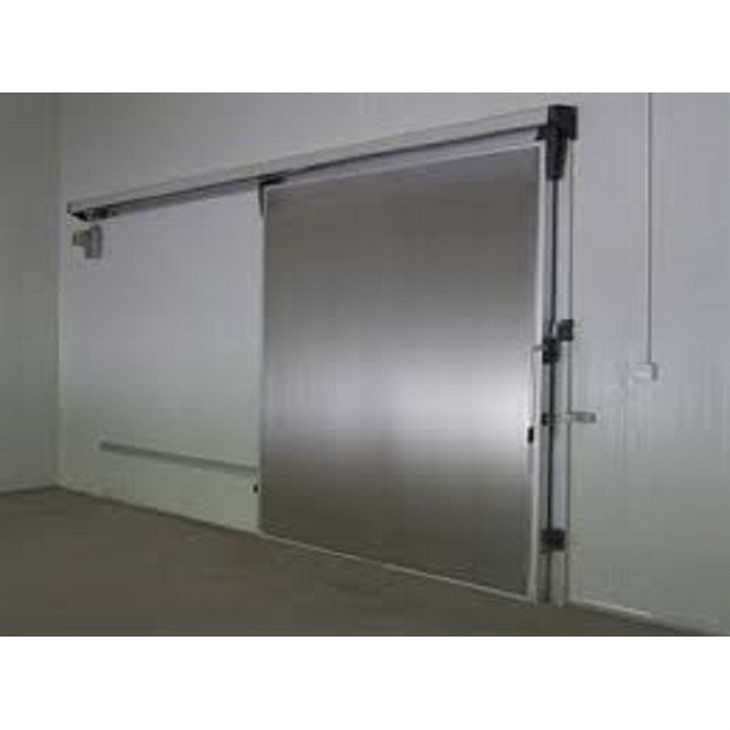
One of our popular product lines is the Manual And Electric Sliding Doors. These doors are available in a variety of sizes and configurations to meet the specific needs of our customers. They are made from high-strength materials and feature a smooth, seamless surface that is resistant to UV radiation. Additionally, our sliding doors are equipped with a reliable locking system and a tight seal to prevent air leakage and energy loss.
Another product that we offer is the Hinged Swing Door for Cold Room. These doors are designed to provide easy access to the cold room while maintaining a high level of insulation and security. They are made from high-quality materials and feature a durable hinge system that can withstand frequent use. Our hinged swing doors are also available with a variety of options, such as windows and viewing panels, to meet the specific needs of our customers.
Testing and Certification
To ensure the quality and performance of our cold room doors, we conduct rigorous testing and certification procedures. Our doors are tested for UV resistance using industry-standard methods to ensure that they meet or exceed the required standards. We also obtain certification from independent testing laboratories to verify the performance and durability of our products.

Importance of UV Resistance in Cold Room Doors
The UV resistance of cold room doors is important for several reasons. Firstly, it helps to maintain the appearance of the door over time. A door that is exposed to UV radiation can fade, crack, or become brittle, which can make it look unsightly and reduce its value. By choosing a door with good UV resistance, you can ensure that your cold room door will look great for years to come.
Secondly, UV resistance is important for the structural integrity of the door. Exposure to UV radiation can cause the door's materials to degrade, which can weaken the door and make it more susceptible to damage. A door with good UV resistance will be more durable and less likely to require repairs or replacement.
Finally, UV resistance is important for the energy efficiency of the cold room. A door that is not resistant to UV radiation can allow heat to enter the cold room, which can increase the energy consumption of the refrigeration system. By choosing a door with good UV resistance, you can help to reduce your energy costs and improve the overall efficiency of your cold room.
Conclusion
In conclusion, the UV resistance of cold room doors is an important factor to consider when choosing a door for your cold room. At our company, we offer a wide range of cold room doors that are designed to provide excellent UV resistance. Our doors are made from high-quality materials and feature advanced manufacturing techniques and coatings to ensure that they can withstand the harsh effects of UV exposure. If you are in the market for a cold room door, we encourage you to contact us to learn more about our products and how they can meet your specific needs.
References
- ASTM International. (2023). Standard Test Methods for Exposure of Plastics to Natural Weathering. ASTM D1435-19.
- International Organization for Standardization. (2022). Plastics - Methods of Exposure to Laboratory Light Sources - Part 3: Fluorescent UV Lamps. ISO 4892-3:2022.
- National Institute of Standards and Technology. (2023). Handbook 130: Uniform Laws and Regulations in the Areas of Legal Metrology and Engineered Products. U.S. Department of Commerce.


