

Air leakage from cold room doors can lead to significant energy losses, reduced temperature control, and potential damage to stored products. As a leading supplier of cold room doors, we understand the importance of preventing air leakage to ensure the efficiency and effectiveness of cold storage facilities. In this blog post, we will discuss several strategies and best practices to prevent air leakage from cold room doors.

Choose the Right Door Type
The type of cold room door you choose plays a crucial role in preventing air leakage. Different door types have different sealing capabilities, and selecting the appropriate one for your specific application is essential.
- Hinged Swing Door for Cold Room: Hinged swing doors are a popular choice for cold rooms due to their simplicity and ease of use. They provide a tight seal when closed, reducing the risk of air leakage. Our Hinged Swing Door for Cold Room is designed with high-quality materials and advanced sealing technology to ensure maximum insulation and airtightness.
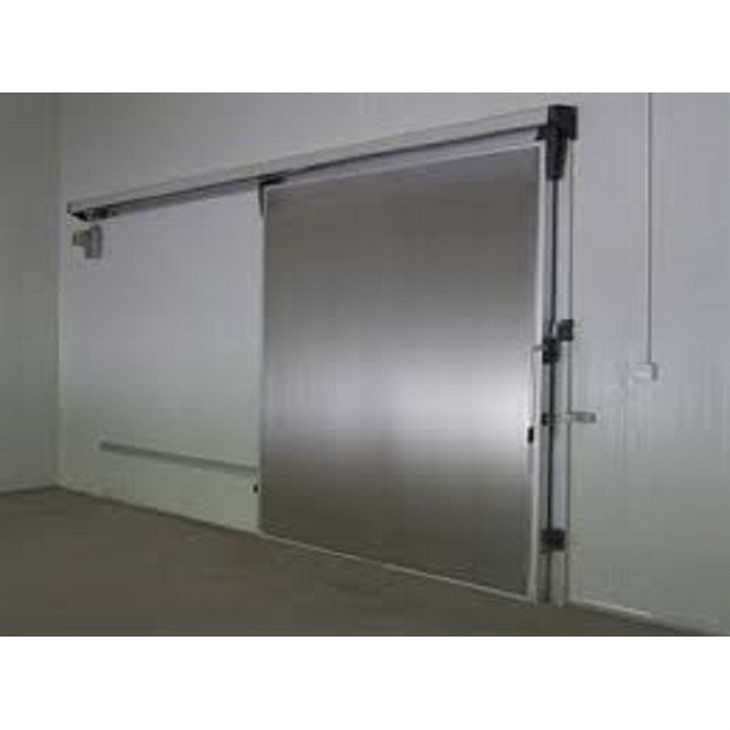
- Manual And Electric Sliding Doors: Sliding doors are ideal for cold rooms with limited space or high traffic areas. They offer a smooth and efficient operation, and their sealing mechanisms can be highly effective in preventing air leakage. Our Manual And Electric Sliding Doors are engineered to provide a tight seal and excellent insulation performance.
Ensure Proper Installation
Proper installation is critical to preventing air leakage from cold room doors. Even the highest-quality doors can leak air if they are not installed correctly. Here are some key installation considerations:
- Accurate Measurement: Before installing the door, ensure that the opening is accurately measured to ensure a proper fit. Any gaps or irregularities in the opening can compromise the door's sealing performance.
- Level and Plumb Installation: The door must be installed level and plumb to ensure that it closes properly and forms a tight seal. Use a spirit level to check the alignment during installation.
- Sealing Gaskets: Install high-quality sealing gaskets around the door frame and edges. These gaskets help to create an airtight seal when the door is closed. Make sure the gaskets are properly seated and free from any damage or gaps.
- Weatherstripping: Apply weatherstripping to the door frame to further enhance the seal and prevent air leakage. Weatherstripping can help to fill any small gaps and provide additional insulation.
Maintain the Door Regularly
Regular maintenance is essential to keep cold room doors in good working condition and prevent air leakage. Here are some maintenance tasks to perform:
- Inspect Sealing Gaskets: Regularly check the sealing gaskets for signs of wear, damage, or deterioration. Replace any worn or damaged gaskets promptly to ensure a tight seal.
- Lubricate Hinges and Hardware: Lubricate the hinges, locks, and other hardware components regularly to ensure smooth operation and prevent binding. This can help to maintain the proper alignment of the door and prevent air leakage.
- Clean the Door and Frame: Keep the door and frame clean and free from dirt, debris, and ice. Regular cleaning can help to prevent damage to the sealing gaskets and ensure a proper seal.
- Check Door Alignment: Periodically check the alignment of the door to ensure that it closes properly and forms a tight seal. If the door is misaligned, adjust the hinges or other hardware components as needed.
Use Door Curtains or Strip Doors
Door curtains or strip doors can be used as an additional barrier to prevent air leakage from cold room doors. These curtains or strips are made of flexible materials that allow easy access while reducing the amount of air exchange between the cold room and the surrounding environment.
- PVC Strip Curtains: PVC strip curtains are a popular choice for cold rooms due to their durability, flexibility, and affordability. They can be easily installed over the door opening and provide a significant reduction in air leakage.
- Insulated Door Curtains: Insulated door curtains are designed to provide additional insulation and energy savings. They are made of thick, insulated materials that help to maintain the temperature inside the cold room.
Implement Air Curtains
Air curtains are another effective way to prevent air leakage from cold room doors. An air curtain is a device that creates a high-velocity air stream across the door opening, acting as a barrier to prevent the exchange of air between the cold room and the outside environment.
- Benefits of Air Curtains: Air curtains can significantly reduce the amount of air leakage, improve energy efficiency, and maintain a more consistent temperature inside the cold room. They can also help to prevent the entry of insects, dust, and other contaminants.
- Installation and Maintenance: Air curtains should be installed at the top of the door opening and adjusted to provide a uniform air stream across the entire width of the door. Regular maintenance, including cleaning the air intake and filter, is essential to ensure optimal performance.
Train Employees on Proper Door Usage
Proper door usage by employees is crucial to preventing air leakage from cold room doors. Here are some tips to train employees on proper door usage:
- Close the Door Promptly: Encourage employees to close the cold room door promptly after entering or exiting the room. Leaving the door open for extended periods can result in significant air leakage and energy losses.
- Avoid Slamming the Door: Slamming the door can damage the sealing gaskets and other components, leading to air leakage. Teach employees to close the door gently and firmly.
- Use the Door Correctly: Provide training on how to use the door correctly, including how to operate the locks, hinges, and other hardware components. Improper use of the door can cause damage and compromise its sealing performance.
Monitor and Control Air Pressure
Monitoring and controlling the air pressure inside the cold room can help to prevent air leakage from the doors. Here are some strategies to consider:
- Install Pressure Relief Valves: Pressure relief valves can be installed in the cold room walls or ceiling to equalize the air pressure inside and outside the room. This can help to prevent the doors from being forced open due to pressure differences.
- Use Air Pressure Sensors: Air pressure sensors can be installed to monitor the air pressure inside the cold room. If the pressure exceeds a certain threshold, an alarm can be triggered, indicating a potential air leakage problem.
- Control Ventilation: Proper ventilation is essential to maintain the air quality inside the cold room. However, excessive ventilation can also lead to air leakage. Use ventilation controls to regulate the amount of air exchange and maintain a balanced air pressure.
Conclusion
Preventing air leakage from cold room doors is essential to ensure the efficiency, effectiveness, and reliability of cold storage facilities. By choosing the right door type, ensuring proper installation, maintaining the door regularly, using door curtains or strip doors, implementing air curtains, training employees on proper door usage, and monitoring and controlling air pressure, you can significantly reduce the amount of air leakage and improve the energy efficiency of your cold room.
As a leading supplier of cold room doors, we are committed to providing high-quality products and solutions to help our customers prevent air leakage and optimize the performance of their cold storage facilities. If you have any questions or need assistance with choosing the right cold room door or implementing air leakage prevention strategies, please contact us. We would be happy to discuss your specific requirements and provide you with the best solutions.
References
- ASHRAE Handbook - Refrigeration. American Society of Heating, Refrigerating and Air-Conditioning Engineers, Inc.
- Cold Storage Design and Construction Guide. International Institute of Ammonia Refrigeration.
- Energy Efficiency in Cold Storage Facilities. U.S. Department of Energy.


