

When it comes to installing a Flash Cold Room Door, one might not immediately think about the significance of the cold room flooring. However, as a Flash Cold Room Door supplier, I've witnessed firsthand how the type and condition of the flooring can significantly impact the installation process. In this blog post, I'll delve into the various ways cold room flooring influences the installation of a Flash Cold Room Door and why it's crucial to consider this aspect before starting the installation.
Surface Flatness and Levelness
The first and most obvious factor is the flatness and levelness of the cold room flooring. A Flash Cold Room Door is designed to seal tightly to maintain the desired temperature and prevent air leakage. If the floor is uneven, it can cause the door to sit at an angle, making it difficult to install hinges properly or align the door frame. This misalignment can lead to gaps around the door, which compromise the insulation and energy efficiency of the cold room.
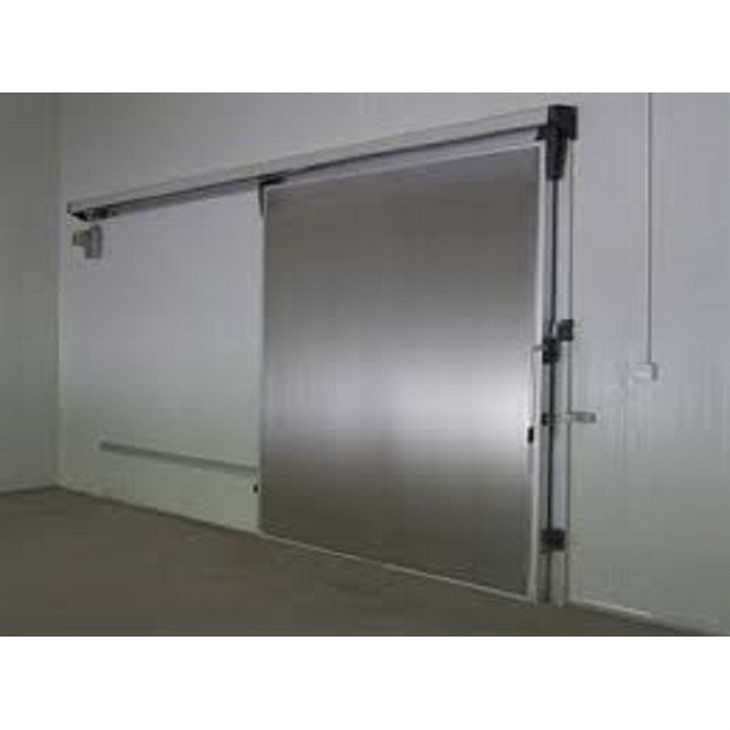

For instance, if the floor has a slope or dip, the bottom of the door may not rest evenly on the floor. This can put additional stress on the hinges and tracks, leading to premature wear and tear. Moreover, an uneven door can be challenging to operate, as it may not slide smoothly or swing open and closed easily. Therefore, before installing a Flash Cold Room Door, it's essential to ensure that the floor is as flat and level as possible. If necessary, the floor may need to be levelled or smoothed to provide a stable base for the door.
Flooring Material Compatibility
The type of flooring material used in the cold room is another critical factor that affects door installation. Different flooring materials have varying properties, such as hardness, slip resistance, and chemical resistance. These properties can impact the installation process and the long - term performance of the door.
For example, if the cold room has a concrete floor, it provides a relatively stable and durable surface for door installation. Concrete floors can support the weight of the door and its frame without significant deformation. However, concrete floors may require special preparation, such as drilling and anchoring, to secure the door frame properly.
On the other hand, if the floor is made of a softer material like vinyl or rubber, care must be taken during installation to avoid damaging the flooring. The installation process may need to be adjusted to use adhesives or specialized mounting brackets that won't penetrate or damage the surface. Additionally, some flooring materials may expand or contract with temperature changes, which can affect the alignment of the door over time. A supplier like me needs to understand the properties of the flooring material to recommend the most suitable installation method for the Flash Cold Room Door.
Weight - Bearing Capacity
Cold room doors, especially larger or heavier models, require a floor with sufficient weight - bearing capacity. The weight of the door, along with any equipment or personnel that may pass through it, must be supported by the flooring without causing damage or excessive deflection.
If the floor cannot support the weight of the door, it can lead to structural problems. For example, the floor may crack or sag, which will not only affect the door's installation but also the overall integrity of the cold room. It's important to assess the weight - bearing capacity of the floor before choosing a Flash Cold Room Door. For heavy - duty applications, a reinforced floor may be necessary to ensure that the door can be installed safely and function properly.
Drainage Considerations
In many cold rooms, proper drainage is essential to prevent the accumulation of water, ice, or condensation. The flooring design should allow for effective water runoff to maintain a dry and safe environment. When installing a Flash Cold Room Door, the location of the door in relation to the drainage system must be considered.
If the door is installed in an area where water can pool, it can cause problems such as corrosion of the door frame and hardware. Additionally, water on the floor can make it slippery, increasing the risk of accidents. To avoid these issues, the door should be installed in a way that does not obstruct the drainage flow. This may involve adjusting the position of the door or ensuring that the floor around the door is sloped towards the drainage channels.
Impact on Door Types
The cold room flooring can also influence the choice of door type. For example, Manual And Electric Sliding Doors require a smooth and level floor surface for proper operation. Any irregularities in the floor can cause the door to jam or derail. The tracks for sliding doors need to be installed precisely on a flat surface to ensure smooth movement.
On the other hand, Hinged Swing Door for Cold Room may be less sensitive to minor floor irregularities. However, a level floor is still important to ensure that the door hangs correctly and swings open and closed without hitting the floor. In some cases, if the floor is uneven, additional adjustments to the hinges may be required to achieve proper alignment.
Installation Process Adjustments
Based on the characteristics of the cold room flooring, the installation process of the Flash Cold Room Door may need to be adjusted. If the floor is made of a hard material like stone, more powerful drilling equipment may be needed to create holes for fasteners. In contrast, if the floor is made of a soft material, a gentler approach may be required to avoid damage.
The type of adhesive or sealant used during installation can also be influenced by the flooring material. For example, on a concrete floor, a strong epoxy - based adhesive may be suitable, while on a vinyl floor, a more flexible adhesive may be needed to accommodate the material's movement.
Maintenance and Long - Term Performance
The cold room flooring not only affects the installation but also the long - term performance and maintenance of the Flash Cold Room Door. A well - maintained and suitable floor can contribute to the smooth operation and durability of the door. For example, a clean and dry floor reduces the risk of corrosion and wear on the door's bottom edge and hardware.
Regular inspections of the floor and the door should be carried out to identify any potential issues early. If the floor starts to show signs of damage, such as cracks or unevenness, it should be repaired promptly to prevent further problems with the door.
Conclusion
In conclusion, the cold room flooring plays a vital role in the installation of a Flash Cold Room Door. From ensuring proper alignment and operability to choosing the right door type and installation method, every aspect of the door installation is influenced by the characteristics of the flooring. As a Flash Cold Room Door supplier, I highly recommend that customers carefully assess the cold room flooring before purchasing a door. By considering the factors mentioned above, you can ensure a successful installation and long - term performance of your Flash Cold Room Door.
If you're in the market for a Flash Cold Room Door and need further advice on how the flooring may impact your specific installation, or if you're ready to discuss your purchasing needs, don't hesitate to reach out. We're here to provide you with the best solutions for your cold room requirements.
References
- "Cold Room Design and Installation Handbook", Industry Press, 20XX
- "Flooring Materials for Commercial and Industrial Spaces", Research Institute of Building Materials, 20XX


